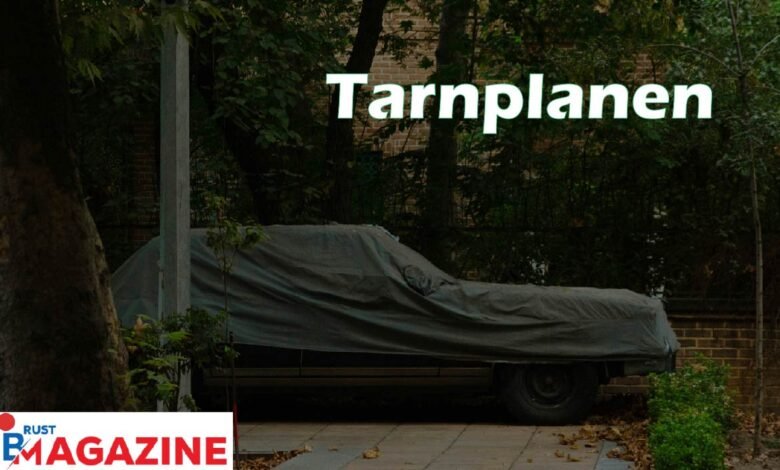
Tarnplanen is a German term that means camouflage tarpaulins or camouflage sheets, and it combines “Tarn,” meaning camouflage, with “Planen,” meaning tarps or covers. These heavy-duty covers provide concealment and protection across military, outdoor, survival, and commercial environments. Unlike regular tarps, Tarnplanen focuses on visual blending as well as weather resistance. Manufacturers design these covers to reduce visibility in forests, deserts, urban zones, and mixed terrain. In addition, they use durable fabrics that resist rain, wind, sunlight, and abrasion. Because many people confuse them with standard plastic tarps, clear information becomes essential.
What Is Tarnplanen?
Tarnplanen refers to camouflage tarpaulins designed for concealment and protection in demanding outdoor conditions. The term originates from German and literally translates to camouflage covers. Manufacturers create these tarps using waterproof and tear-resistant materials such as PVC-coated polyester, ripstop nylon, or canvas blends.
Unlike ordinary tarps, Tarnplanen incorporates camouflage patterns that disrupt outlines and reduce visual detection. Users rely on them to cover equipment, vehicles, shelters, and cargo. Military units, hunters, campers, and industrial workers use these tarps because they combine strength, weather resistance, and visual blending. Each model often includes reinforced grommets and sealed seams to increase durability.
Origin and History of Tarnplanen
Military Roots
German military forces first developed camouflage tarpaulins to conceal equipment and field camps. During World War II, camouflage technology evolved rapidly as armies studied terrain blending techniques. NATO surplus markets later distributed military-grade versions to civilians. Soldiers used these covers to protect vehicles and storage units from aerial observation. Over time, manufacturers refined materials and patterns to improve concealment and durability.
Evolution into Civilian Use
As survival skills gained popularity, civilians adopted Tarnplanen for bushcraft, hunting, and camping. Outdoor enthusiasts valued the strong fabric and reliable waterproofing. Survival communities praised the ability to create quick shelters in harsh weather. Gradually, the product moved beyond military use and entered commercial and recreational markets.
Materials Used in Tarnplanen
PVC-Coated Tarpaulin
PVC-coated tarpaulin delivers strong waterproof performance and heavy-duty durability. Manufacturers apply protective coatings that resist moisture, dirt, and UV damage. This material works well in industrial and long-term outdoor exposure. Users often choose PVC models for vehicle covers or construction sites.
Ripstop Polyester or Nylon
Ripstop polyester and nylon provide lightweight strength with tear resistance. A special weaving pattern stops small rips from spreading. Campers and hikers prefer this material because it packs easily and dries quickly. Coatings often improve waterproof capacity and wind resistance.
Canvas or Cotton-Blend
Canvas models offer breathability and a traditional rugged feel. Cotton blends reduce condensation during long-term shelter use. Although heavier, these tarps handle extended outdoor setups well. Treated canvas also improves water repellency.
Reinforced Grommets and Edges
Quality Tarnplanen includes rust-resistant eyelets and reinforced corners. Heat-sealed seams prevent water penetration. Strong edges distribute tension evenly during wind exposure. These features improve longevity and reduce tearing.
Camouflage Patterns and Concealment Technology
Manufacturers design camouflage patterns based on visual disruption theory. Woodland camouflage blends green and brown shapes to match forests. Desert patterns use lighter tones to reflect sand and dry vegetation. Urban camouflage integrates gray and concrete shades. Digital camouflage uses pixelated designs that break outlines more effectively at various distances. Multi-environment adaptive patterns mix several tones for flexible terrain blending. Pattern scaling plays a key role because large shapes work at distance while small shapes disrupt close-range detection. Shadow blending further reduces visibility by matching light conditions.
Primary Uses of Tarnplanen
Military and Tactical Applications
Military units use Tarnplanen to cover vehicles and conceal equipment. Field shelters rely on these tarps for rapid deployment. Drone concealment also benefits from effective pattern blending. Equipment protection remains essential in harsh climates.
Outdoor and Survival Use
Outdoor users create lean-to shelters and emergency covers with Tarnplanen. Hunters use them for concealment in wooded areas. Campers rely on them as ground covers during rain. Survivalists include them in emergency kits due to portability.
Commercial and Industrial Use
Businesses use Tarnplanen to protect cargo and equipment during transport. Construction sites employ them for temporary covering. Industrial storage areas benefit from weather shielding. Transportation companies rely on durable tarps for load security.
Why Tarnplanen Is Superior to Regular Tarps
| Feature | Tarnplanen | Regular Tarp |
|---|---|---|
| Camouflage | Yes | No |
| Tear Strength | High | Moderate |
| UV Resistance | Strong | Limited |
| Weather Durability | Advanced | Basic |
| Long-Term Use | Reliable | Variable |
Tarnplanen offers camouflage advantage and stronger fabric durability. UV resistance helps prevent fading and material breakdown. Tear strength ensures better performance under stress. Therefore, long-term outdoor exposure becomes manageable.
Waterproofing and Weather Resistance Explained
Hydrostatic head rating measures waterproof performance. Higher ratings indicate better water resistance. Many Tarnplanen models withstand heavy rainfall without leakage. UV protection layers shield material from sun damage. Wind resistance depends on thickness and reinforcement. Snow load handling improves with stronger GSM ratings. Heat resistance ensures flexibility in warm climates.
How to Choose the Right Tarnplanen
Size Selection Guide
Select smaller tarps for solo shelter setups. Choose medium sizes for vehicle coverage. Large options work for group shelters or cargo protection. Always match tarp size with intended use.
Thickness and GSM Guide
Light models range between 90 and 120 GSM. Medium options range from 150 to 250 GSM. Heavy-duty models exceed 300 GSM for industrial needs.
Material Based on Use Case
Survival tasks require ripstop or PVC-coated fabric. Industrial work demands heavy PVC material. Military reenactment often uses canvas for authenticity. Casual camping suits lightweight polyester.
How to Set Up Tarnplanen Properly
Create a lean-to by tying one edge to trees. Build an A-frame by suspending a center line. Use ground cover placement to protect sleeping areas. Secure vehicle covers with strong rope or paracord. Maintain balanced tension to prevent pooling.
Cleaning and Maintenance
Dry the tarp completely before storage. Avoid bleach and harsh chemicals. Inspect grommets and seams regularly. Store in a cool and dry place. Repair small tears early using patch kits.
Where to Buy High-Quality Tarnplanen
Purchase from military surplus stores or reputable outdoor retailers. Verified online marketplaces often provide detailed specifications. Check waterproof ratings and UV protection labels. Avoid counterfeit products with weak seams or thin fabric.
Conclusion
Tarnplanen delivers versatility, durability, and effective camouflage for multiple environments. It combines advanced materials with practical design. Whether used for military concealment, survival shelter, or industrial protection, it provides reliable performance. Strong waterproofing and tear resistance increase long-term value. Therefore, investing in high-quality Tarnplanen ensures dependable outdoor protection and concealment.
Frequently Asked Questions
Is Tarnplanen waterproof?
Yes, most models provide strong waterproof protection. Check hydrostatic ratings before purchase.
Is Tarnplanen military-grade?
Some versions meet military specifications. Always verify product certification.
How long does Tarnplanen last?
High-quality models last several years with proper maintenance.
Can Tarnplanen be used as a tent?
Yes, users often create shelters using proper setup techniques.
What is the best thickness for survival?
Medium to heavy GSM ratings offer reliable durability in harsh weather.
Also Read :
Mariano Iduba: The Visionary Behind Modern Creative Innovation
Visit For More Info : Brust Magazine