Key Takeaways
- Ceramic coatings protect paint from scratches, UV rays, chemicals, and environmental damage.
- Professional coatings last longer (5–9 years) than DIY options (1–3 years) and require proper surface prep.
- Composition (SiO₂, TiO₂, graphene) affects durability, water repellency, and UV resistance.
- Regular maintenance and inspections extend coating life.
- Searching for automotive ceramic coating near me helps find trusted local providers for optimal results.
Introduction to Ceramic Coatings
Ceramic coatings have become an important advancement in vehicle protection, providing drivers with a state-of-the-art shield against everyday road hazards. These innovative coatings use nanoceramic particles that chemically bond to a vehicle’s paintwork, resulting in a glossy finish and long-lasting protection. For those seeking reliable protection and a sleek appearance for their vehicle, considering ceramic coating for cars in Pembroke Pines, FL can be a strong option that highlights just how versatile these products have become.
The benefits of a quality ceramic coating extend beyond just looks. They defend paint from scratches, chemical contaminants, and intense ultraviolet exposure, frequently minimizing the need for repeated waxing or polishing. Whether a car owner wants to shield their investment or simply maintain its shine through seasons of use, ceramic coatings are raising the standard for auto care.
Professional vs. DIY Ceramic Coatings
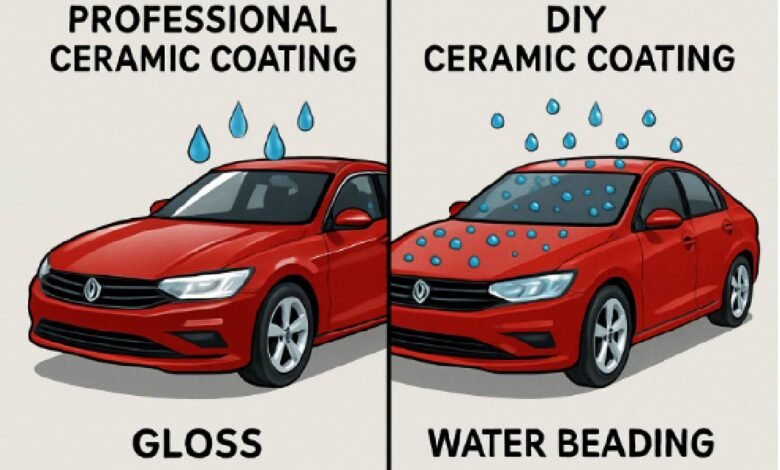
Not all ceramic coatings are created equal. A key distinction can be found when comparing professional-grade versus DIY options:
- Professional Ceramic Coatings: These products contain a higher solid content and are applied by trained professionals. As a result, the layer is thicker and provides enhanced durability, with lifespans ranging from 5 to 9 years. Most professional ceramic coatings also include warranties and require careful, skilled application under controlled conditions. The main downsides are their higher cost and the need for a professional installer.
- DIY Ceramic Coatings: Designed for home application, these coatings typically last between 1 to 3 years. They are more affordable and offer convenience for those willing to do the work themselves. However, without professional-grade ingredients and preparation, DIY solutions might not provide the same level of long-term protection.
When researching ceramic coatings, topics like automotive ceramic coating near me can guide you to local options and provide additional information on available services.
Composition and Durability
The durability and overall effectiveness of a ceramic coating are strongly influenced by its chemical makeup. The three major types commonly found on the market today include:
- SiO₂ (Silicon Dioxide) Coatings: These dominate the ceramic coating industry because of their exceptional hydrophobicity, which helps repel water and debris, and their notable durability.
- TiO₂ (Titanium Dioxide) Coatings: Known for providing increased ultraviolet resistance and enhanced durability on painted surfaces.
- Graphene-Infused Coatings: One of the newest advancements, graphene coatings offer improved heat resistance, greater flexibility, and a significant reduction in water spotting.
Application Methods and Longevity
The method used to apply a ceramic coating can significantly affect how long it lasts and how well it performs. Professional applications generally involve elaborate paint preparation, including decontamination, polishing, and careful attention to climate conditions during curing. These steps lead to stronger chemical bonds between the coating and the paint, resulting in a surface that is more resilient and durable.
DIY methods are typically simpler. While they are suitable for most enthusiasts, achieving the ideal surface preparation and precision coating necessary for maximum longevity is more difficult. For those seeking the highest level of performance and professional finish, expert application is often the preferred choice.
Cost Considerations
Price is one of the main differentiators among ceramic coating grades. Professional applications typically cost between $800 and $3,000, reflecting the skill required and the durability of higher-quality products. On the other hand, DIY ceramic coatings are substantially less expensive. However, the savings may be offset by the need for more frequent reapplications and less predictable protection.
Performance in Real-World Conditions
How a ceramic coating performs over time is not just about what is in the bottle. Real-world results are influenced by factors such as how often you drive, where the vehicle is parked, and the type of environment it is exposed to. Cars frequently driven off-road or exposed to harsh climatic conditions may derive more benefit from the robust protection of professional-grade coatings. In milder environments, a well-chosen DIY coating may be sufficient.
Additionally, regular washing and proper maintenance are necessary to ensure any ceramic coating continues to perform as intended.
Recent Developments in Ceramic Coatings
The world of ceramic coatings continues to advance quickly. Manufacturers have begun introducing specialized formulations for unique surfaces, such as matte or satin paints and even aircraft exteriors. For instance, XPEL has launched a line of new ceramic coating products targeting these specialized needs. Consumers can now select from a wider range of protection types that cater to both unique finishes and usage scenarios.
Final Thoughts
Selecting the right ceramic coating comes down to thoughtfully evaluating factors such as chemical composition, application method, cost, and your vehicle’s specific needs or usage patterns. Understanding the differences in quality and performance can help consumers invest wisely, ensuring their vehicle’s paint remains vibrant and protected for years to come.