The Science Behind Rapid Temperature Fluctuations
Sudden temperature shifts, especially rapid increases, can play havoc with the materials that make up your home. Think of it like this: when things get hot, they expand. When they cool down, they contract. This constant push and pull puts stress on everything from your foundation to the smallest components of your garage door.
This expansion and contraction isn’t always uniform. Different materials heat up and cool down at different rates. This differential movement can create internal stresses within building components. For instance, wood expands more than metal, and concrete behaves differently than glass. These subtle shifts, repeated over time, can lead to wear and tear.
These rapid temperature changes are a major factor in why things like garage door tracks can shift. It’s not just about the heat itself, but the speed at which the temperature changes that causes the most problems. Understanding this basic science is key to grasping why your home might be experiencing new issues.
How Extreme Heat Affects Building Materials
Extreme heat can really do a number on building materials. Metal, like the steel in your garage door tracks, expands significantly when it gets hot. This expansion can cause components to bind or shift out of their original position. Wood can warp and swell, and even concrete can experience stress fractures under intense heat.
Materials that are exposed to direct sunlight are particularly vulnerable. The surface temperature can become much higher than the ambient air temperature. This localized heating accelerates the expansion process. Over time, this constant cycle of heating and cooling can weaken materials, making them more prone to damage or failure.
It’s not just about the visible effects. Extreme heat can also affect the integrity of sealants, adhesives, and even paint. These materials can become brittle, crack, or lose their effectiveness, compromising your home’s protection against the elements. This is why regular checks are so important.
Chicago’s Unique Climate Challenges
Chicago is known for its dramatic weather shifts, and this includes significant heat spikes. The city experiences a wide range of temperatures throughout the year, and these fluctuations can be quite abrupt. This makes Chicago homes particularly susceptible to the effects of thermal expansion and contraction.
Our climate means that building materials are constantly being put through their paces. What might be a minor expansion in a more temperate climate can become a significant issue here, especially when combined with other factors like humidity or wind. This constant stress can accelerate wear and tear on your home’s structure.
These heat spikes aren’t just a summer inconvenience; they are a year-round concern for homeowners. The rapid temperature swings, whether from a cold snap to a warm spell or vice versa, can impact various parts of your home, including those often-overlooked components like your garage door tracks.
Signs Your Garage Door Needs Immediate Attention
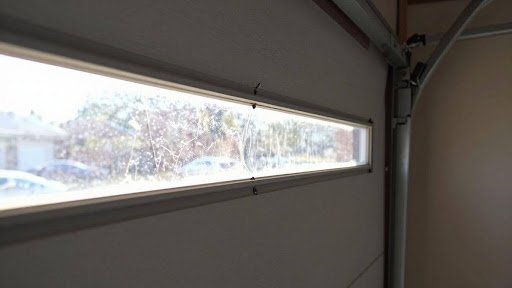
When the weather takes a sudden turn, especially with heat spikes, your garage door might start acting up. It’s not just about inconvenience; some issues signal a need for prompt attention to keep things running smoothly and safely. Paying attention to these signs can save you from bigger headaches down the road.
Unusual Noises During Operation
Garage doors are designed to operate with relative quiet. If yours has started making strange sounds, it’s a clear indicator something’s off. A grinding or squealing noise often points to a lack of lubrication in the moving parts or debris caught in the tracks. These sounds aren’t just annoying; they suggest friction that can lead to wear and tear.
- Grinding or Squealing: Usually means parts need lubrication or something is stuck.
- Rattling: Could be loose bolts or components vibrating.
- Loud Bangs: Might indicate a spring issue or a part coming loose.
Visible Damage or Misalignment
Sometimes, the problem is plain to see. Look closely at your garage door and its tracks. Any visible damage, like dents in the tracks or tears in the door itself, needs to be addressed. Misalignment is particularly concerning because it affects how the door moves and can put stress on the entire system. Even small dents in the steel frame can cause the door to bind.
- Bent or dented tracks.
- Tears or punctures in the door curtain.
- Gaps in the weather seals.
Frequent Breakdowns or Malfunctions
If your garage door is suddenly stopping mid-operation, opening or closing slower than usual, or requiring frequent manual overrides, it’s a sign of underlying issues. These malfunctions can stem from problems with sensors, the motor, or the control system. Ignoring these frequent breakdowns means you’re likely to face a complete failure at an inconvenient time. It’s important to address these issues before they escalate.
A garage door that frequently malfunctions is sending a clear signal that its internal components are struggling. This could be due to electrical issues, mechanical wear, or problems with the control logic, all of which require professional assessment.
The Critical Role of Garage Door Tracks
How Tracks Guide Door Movement
Garage door tracks are the unsung heroes of your garage door system. They are the literal pathways that guide the heavy door panels up and down. Think of them as the train tracks for your garage door. Without properly aligned and clean tracks, the door simply wouldn’t operate smoothly, if at all. These tracks are usually made of sturdy metal, designed to withstand the constant movement and weight.
The precision of the tracks dictates the entire operation. They ensure the door moves in a straight, controlled path, preventing it from jamming or falling off its course. This controlled movement is vital for both the longevity of the door and the safety of anyone or anything nearby. The garage door tracks are fundamental to its function.
The Impact of Debris and Obstructions
Even small amounts of dirt, dust, or debris can cause big problems for your garage door tracks. When these particles get lodged in the tracks, they create friction. This friction makes the door harder to move, putting extra strain on the motor and other components. It can lead to grinding noises and slower operation.
Over time, this constant friction can wear down the tracks and the rollers on the door itself. It’s like trying to push a heavy box across a floor covered in pebbles – it’s just not going to be smooth. Keeping the tracks clear is a simple but important maintenance task.
Consequences of Misaligned Tracks
When garage door tracks become misaligned, the consequences can be serious. A misaligned track means the door isn’t moving in its intended path. This can cause the door to bind, making it difficult or impossible to open or close. It also puts uneven stress on the door panels and the opener mechanism.
Misaligned tracks are a common culprit behind doors that get stuck halfway or make alarming noises. Ignoring this issue can lead to more significant damage, potentially requiring costly repairs or even a full replacement of the door system.
Here are some signs that your tracks might be misaligned:
- The door doesn’t close evenly.
- You hear scraping or grinding sounds.
- The door seems to get stuck or requires extra force to move.
- Visible bending or damage to the tracks themselves.
Why Garage Door Tracks Shift During Temperature Swings
Thermal Expansion and Contraction Explained
Materials change size when they get hot or cold. This is called thermal expansion and contraction. Metal, like the steel used in garage door tracks, expands when temperatures rise and shrinks when they fall. This constant change, even if small, puts stress on the entire garage door system. Over time, these subtle shifts can add up.
The Chicago heat spikes we’ve been experiencing are a prime example of this phenomenon in action. As temperatures rapidly increase, the metal tracks expand. If this expansion isn’t accommodated, it can force the tracks out of their original alignment. This is a natural process, but extreme or rapid temperature swings can make it more noticeable and problematic for your garage door.
The Stress on Garage Door Components
When garage door tracks expand, they push against other parts of the door system. This can cause undue stress on the rollers, the door panels, and even the opener mechanism. If the tracks are already tight or have minor obstructions, this expansion can lead to binding or misalignment. The garage door tracks are designed to guide the door smoothly, but extreme temperature changes can make this job much harder.
This stress isn’t just about the tracks themselves. The entire assembly is interconnected. A slight shift in the tracks can throw off the balance of the door, making it harder for the opener to lift and lower it. This can lead to increased wear and tear on the motor and other moving parts.
How Heat Spikes Exacerbate Track Issues
Sudden heat spikes are particularly damaging because the garage door components don’t have time to adjust gradually. The rapid expansion can force the tracks out of alignment quickly. This can result in the door becoming difficult to open or close, or even getting stuck.
These temperature swings can also reveal pre-existing weaknesses in your garage door system. If your tracks were already slightly out of alignment or had minor debris, the added stress from thermal expansion can turn a small issue into a big problem. It’s why you might notice your garage door acting up more during these unpredictable weather events.
- Rapid Expansion: Metal tracks grow larger in hot weather.
- Binding: Expanded tracks can rub against rollers or door edges.
- Misalignment: The door’s path can be altered, causing it to stick.
Ignoring these signs can lead to more significant damage and costly repairs down the line. Regular checks are key.
Preventative Maintenance for Garage Doors
Keeping your garage door in good shape is key, especially with Chicago’s wild temperature swings. Think of it like taking care of a car; regular check-ups stop small issues from becoming big, expensive headaches. This proactive approach is what we call preventative maintenance. It’s not just about fixing things when they break, but about stopping them from breaking in the first place. This is especially true for garage door tracks, which can get stressed during rapid temperature changes.
Regular Inspections and Audits
Taking a few minutes to look over your garage door regularly can save you a lot of trouble. You don’t need to be a pro to spot obvious problems. Look for anything that seems out of place. Are the tracks straight? Do you see any dents or debris stuck in them? Is the door moving smoothly, or is it jerky? Catching these small things early is the whole point of preventative maintenance. It’s about being observant and knowing when something isn’t quite right with your garage door system.
Lubrication and Cleaning Best Practices
Dirt and grime can really gum up the works, especially in the garage door tracks. Regularly cleaning these areas removes buildup that can cause friction and wear. After cleaning, a bit of lubrication goes a long way. Use a silicone-based spray or a manufacturer-recommended lubricant on moving parts like rollers and hinges. Don’t overdo it; a light coat is usually enough. Too much lubricant can attract more dirt, creating a sticky mess. Proper lubrication helps everything move freely, reducing stress on the components.
Importance of Professional Servicing
While you can do a lot of the basic checks yourself, sometimes you need a professional. A trained technician has the tools and knowledge to spot issues you might miss. They can check the balance of the door, inspect the springs and cables, and make sure the safety sensors are working perfectly. Professional servicing is a vital part of a good preventative maintenance plan. They can also advise on specific needs for your type of garage door, ensuring it runs smoothly and safely, especially after those sudden heat spikes that can affect garage door tracks.
When to Call for Garage Door Repair Services in Chicago
Recognizing the Need for Expert Help
Sometimes, a garage door just needs a little nudge. Other times, it’s screaming for professional help. If you’re hearing grinding noises, seeing the door sag or stick, or if it’s just not opening or closing right, it’s probably time to stop trying to fix it yourself. These aren’t just minor annoyances; they can be signs of bigger problems brewing, especially with those shifting garage door tracks we’ve talked about. Ignoring these signals can lead to more costly repairs down the line.
Don’t wait until your garage door is completely stuck or poses a safety risk. A quick call to a local garage door repair service in Chicago can save you a lot of hassle. They have the tools and know-how to diagnose issues accurately, whether it’s a bent track, a worn-out spring, or a malfunctioning opener. Think of it like a regular check-up for your car; it’s better to catch small problems early.
Here are a few more signs that point to needing professional attention:
- The door moves unevenly or jerks during operation.
- You notice visible damage, like dents or cracks, on the door panels or tracks.
- The opener struggles to lift or lower the door, or it reverses unexpectedly.
- The garage door makes loud, unusual noises like squealing or banging.
Benefits of Timely Repairs
Getting garage door repair in Chicago done promptly offers a few key advantages. First off, it keeps your home secure. A malfunctioning door can leave your garage vulnerable. Secondly, it prevents further damage. A small issue, like a slightly bent track, can put stress on other parts, leading to a cascade of problems. Addressing it early means you’re only fixing one thing, not three.
Timely repairs also mean your daily routine isn’t disrupted. Imagine being locked out of your garage or unable to get your car out on a busy morning. That’s a headache nobody needs. Plus, a well-functioning garage door adds to your home’s curb appeal and can even contribute to its value. It’s a small investment for significant peace of mind and convenience.
Addressing garage door issues promptly is not just about convenience; it’s about safety and preventing more extensive, expensive damage later on.
Choosing the Right Professionals for Garage Door Repair Services in Chicago
When you need garage door repair services in Chicago, picking the right team matters. Look for companies with good reviews and a solid reputation in the area. Ask about their experience specifically with garage door issues, especially those related to temperature fluctuations and shifting tracks. A good service provider will be transparent about pricing and offer a clear explanation of the work needed.
Don’t be afraid to ask questions. A reputable technician will be happy to explain what’s wrong and how they plan to fix it. Check if they offer warranties on parts and labor. This shows they stand behind their work. Ultimately, you want a team that is reliable, skilled, and makes you feel confident about the repair process for your garage door.
Consider these points when selecting a professional:
- Local Experience: Do they understand Chicago’s climate and its impact on garage doors?
- Service Range: Can they handle everything from track alignment to opener repair?
- Customer Feedback: What do other homeowners in Chicago say about their service?
- Response Time: How quickly can they get to your location for urgent repairs?
Wrapping Up: Keeping Your Garage Door in Line
So, those sudden heat waves in Chicago aren’t just about feeling sticky. They can actually mess with your garage door, making those tracks shift just enough to cause problems. It’s a good reminder that even everyday things like temperature changes can impact how our homes work. Keeping an eye on your garage door, especially after a big temperature swing, and making sure the tracks are clear and aligned can save you from bigger headaches down the road. Regular checks, even simple ones, really do make a difference in keeping things running smoothly.