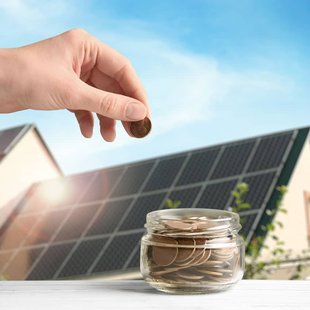
Many people who install solar power systems do so in the hope that they’ll no longer need to rely on the city grid. Unfortunately, some people underestimate the amount of power they need from their system, or their energy consumption increases and begins to exceed what their system can create. If you find yourself consistently using more energy than your solar power system can make, it may be time to make some changes to the way you use power in your home. Keep reading for a few simple tips that can make a big difference in creating a self-sufficient home.
Use Energy during the Day
One of the easiest ways to stay within your solar production is to use electricity when your panels are generating the most power. In the middle of the day, when the sun is highest in the sky, is usually when you’ll get the greatest solar output. Whenever you can, use high-energy appliances like dishwashers, washing machines, and clothes dryers to run during these peak production hours.
Eliminate Unnecessary Power Usage
Small electrical loads can add up over the course of a day. Turning off the lights in unused rooms, unplugging devices that aren’t being used, and shutting down electronics when they’re not in use can all help reduce your overall energy consumption. Replacing older lights with LED bulbs also lowers energy usage while giving you the same amount of light. Every watt saved means more of your solar production remains available for other, larger household needs.
Choose Energy-Efficient Appliances
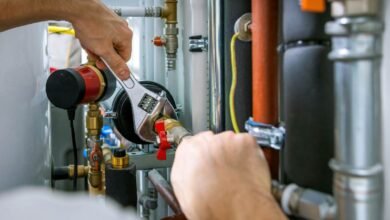
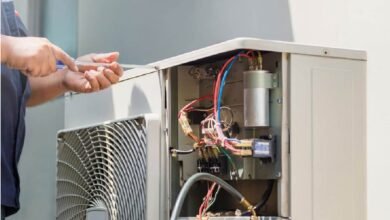
If you’re replacing any older appliances, prioritize finding energy-efficient models. Modern refrigerators, HVAC systems, water heaters, and laundry machines consume a lot less electricity than those that were made a decade or more ago. Lower energy demand from these kinds of big devices makes it easier for your solar power system to meet your daily energy needs without requiring you to expand your solar array.
Heat and Cool Your Home Wisely
Heating and AC usually account for the largest percentage of residential power use. Setting your thermostat just a few degrees higher in the summer or lower in the winter can noticeably reduce your energy usage. Using ceiling fans only in occupied rooms keeps your power bill a lot lower than cooling down your whole house by several more degrees.
Monitor Your Solar Production
Finally, you should regularly check to see how much electricity your system makes during the day. Your Fronius grid-tie solar inverter should show you this information so that you can spot any unexpected dips in production. While energy production naturally fluctuates with the weather and the season, a sudden drop-off in your energy production could indicate that your system needs maintenance. Keeping everything in excellent working condition and operating at peak efficiency makes it even easier to stay within your system’s production limits.