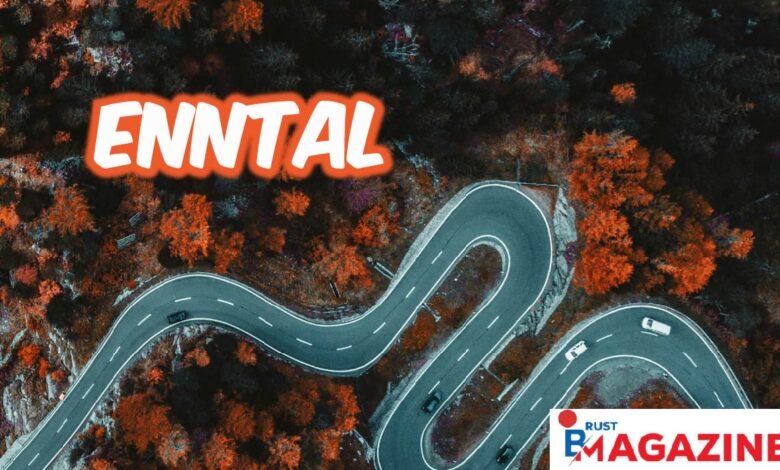
Enntal is a scenic alpine valley in Austria that follows the course of the Enns River across Styria and Upper Austria. This region stretches through the Eastern Alps and offers dramatic mountain landscapes, historic market towns, and year-round outdoor recreation. Enntal is not a single town but a river valley region shaped by water, limestone peaks, and centuries of settlement. The valley includes areas near the Gesäuse National Park and the towering Dachstein, which define much of its scenery. Because of this unique geography, Enntal attracts hikers, skiers, cyclists, and cultural travelers seeking authenticity instead of crowded resorts.
Moreover, the valley maintains a strong local identity rooted in alpine traditions, agriculture, and sustainable tourism practices. Many people search for Enntal to understand its location, natural highlights, and travel opportunities. Others want to know whether it suits families or adventure seekers. Therefore, this comprehensive guide explains geography, history, culture, activities, living conditions, sustainability efforts, and essential planning advice in clear detail.
Where Is Enntal Located?
Enntal lies in Austria and follows the Enns River through the federal states of Styria and Upper Austria. The valley begins near the Radstadt Tauern mountains and continues eastward until the river meets the Danube. Enntal forms a natural corridor through the Eastern Alps and connects alpine villages with larger Austrian towns.
The region sits between the Dachstein massif to the south and the limestone peaks of the Gesäuse area to the north. Major access points include towns such as Liezen and Steyr, which provide rail and road connections. Because of its strategic location, Enntal has served as a trade and travel route for centuries. Today, visitors can reach the valley easily from Salzburg, Graz, or Vienna, yet the landscape still feels remote and pristine.
Geographic Landscape of Enntal
The Enns River and Its Role
The Enns River shapes the entire structure of Enntal and defines its character. The river originates in the Radstadt Tauern mountains and flows eastward toward the Danube. Over thousands of years, glacial meltwater and erosion carved steep gorges and wide meadows along its course. As a result, the valley alternates between narrow rock corridors and expansive pastureland. The river supports fishing, rafting, and cycling paths along its banks. Furthermore, it nourishes agricultural fields and alpine meadows that sustain local communities. Because of its clear waters and strong currents, the river remains central to both recreation and ecology in Enntal.
Surrounding Mountain Ranges
Towering mountain ranges frame Enntal and create its dramatic skyline. The Dachstein massif rises prominently with glacier fields and panoramic viewpoints. To the north, the Gesäuse Mountains display sharp limestone formations and vertical rock faces. These peaks formed during ancient tectonic movements and later experienced glacial sculpting. Consequently, the landscape features cliffs, caves, and high-altitude plateaus. Mountaineers, photographers, and geologists find exceptional value in these formations. Moreover, alpine pastures dot the slopes and provide grazing grounds during summer months.
Climate and Ecosystem
Enntal experiences a classic alpine climate with snowy winters and mild summers. Temperature variations create distinct seasonal changes that influence vegetation and wildlife. In spring, wildflowers bloom across meadows and attract pollinators. During summer, forests of spruce and pine thrive under moderate rainfall. Autumn paints hillsides in gold and crimson tones. Winter covers the valley in deep snow and transforms it into a serene white landscape. Because of this biodiversity, ibex, deer, marmots, and golden eagles inhabit the region. Conservation efforts protect habitats and maintain ecological balance.
The Dachstein Glacier offers glacier access and year-round alpine experiences near Enntal. Visitors can explore panoramic platforms such as the Skywalk and view expansive alpine horizons. During winter, ski areas attract enthusiasts seeking reliable snow conditions. In addition, guided glacier walks provide educational insight into climate and geology. Because of its elevation, the Dachstein area delivers sweeping views that extend across several Austrian provinces.
Lakes, Forests, and Alpine Meadows
Beyond major landmarks, Enntal features tranquil lakes, dense forests, and rolling alpine pastures. Photographers capture reflections of mountains in clear waters. Families picnic beside gentle streams during summer afternoons. Meanwhile, hikers discover secluded viewpoints far from busy routes. This variety ensures both excitement and relaxation.
History of Enntal
Roman Influence
Roman trade routes once passed through Enntal and connected northern and southern Europe. Archaeological findings reveal road remnants and settlement traces. Because of its position, the valley facilitated commerce and communication.
Medieval Trade Corridor
During the Middle Ages, merchants traveled through Enntal between alpine markets. Monasteries and fortified towns developed along these routes. Religious institutions preserved manuscripts and supported agriculture. Therefore, cultural continuity strengthened across generations.
Agricultural Heritage
Alpine farming traditions shaped local identity in Enntal. Dairy production, cattle grazing, and hay harvesting remain central activities. Families pass techniques through generations and maintain sustainable land management.
Cultural Identity and Traditions
Enntal reflects strong Austro-Bavarian cultural influences expressed through festivals, architecture, and music. Wooden chalets with carved balconies line village streets. Seasonal celebrations feature traditional costumes and folk dances. Moreover, artisans produce woodcraft and textiles inspired by alpine motifs. Culinary traditions include hearty dumplings, local cheeses, and pastries such as Kaiserschmarrn. Because community bonds remain strong, visitors often describe welcoming hospitality.
Outdoor Activities in Enntal
Hiking ranks among the best hikes in Enntal, with trails suited for every level. Alpine routes lead to panoramic peaks and scenic ridges. Cycling in Enntal Austria follows the Enns Cycle Path, which connects villages along gentle river terrain. Adventurers also enjoy rafting and kayaking on dynamic river sections. During winter, Enntal winter activities include skiing, snowboarding, and snowshoeing. Cross-country trails weave across snowy fields and provide peaceful alternatives.
Best Towns and Villages in Enntal
Admont features a famous monastery library and baroque architecture. Liezen serves as a regional hub with shops and transport access. Steyr showcases colorful medieval houses near the river confluence. Each town offers guesthouses, boutique hotels, and family-run inns that emphasize comfort and local flavor.
Is Enntal a Good Travel Destination?
Enntal suits families, adventure seekers, nature lovers, and slow travelers. Families appreciate safe villages and outdoor recreation. Adventure seekers pursue climbing and rafting challenges. Nature lovers immerse themselves in protected parks. Slow travelers enjoy peaceful landscapes and cultural depth.
Living in Enntal – Quality of Life
Residents value clean air, low crime rates, and strong community ties. Infrastructure includes schools, healthcare services, and rail links. Although wages reflect regional standards, living costs remain lower than in major Austrian cities. Sustainable initiatives encourage renewable energy and local sourcing.
Sustainable Tourism and Environmental Protection
Protected areas safeguard biodiversity within Enntal. Eco-tourism programs educate visitors about conservation. Public transport options reduce vehicle traffic. Climate adaptation strategies support long-term environmental resilience.
How to Plan Your Visit to Enntal
The best time to visit Enntal depends on preferred activities. Summer suits hiking and cycling. Winter favors skiing and snow adventures. Visitors reach the valley by train or car from Salzburg or Graz. Accommodation ranges from alpine lodges to modern hotels. Travelers should pack layered clothing and check weather updates before alpine excursions.
Conclusion
Enntal combines alpine grandeur with cultural richness and sustainable values. The valley’s mountains, rivers, and towns create an environment that balances adventure with tranquility. Travelers discover authentic traditions, scenic trails, and welcoming communities. Because development respects nature, the region preserves its character for future generations. Enntal stands as one of Austria’s most rewarding alpine destinations.
Frequently Asked Questions About Enntal
Is It worth visiting?
Yes, It offers natural beauty, outdoor adventure, and cultural authenticity.
What is It known for?
It is known for alpine landscapes, the Enns River, and hiking routes.
Is It part of the Alps?
Yes, Enntal lies within the Eastern Alps in Austria.
Can you ski in Enntal?
Yes, nearby Dachstein areas provide skiing and winter activities.
Is It family-friendly?
Yes, families enjoy safe villages and accessible outdoor attractions.
Also Read :
Veneajelu: Finland’s Boating Tradition
Visit For More Info : Brust Magazine