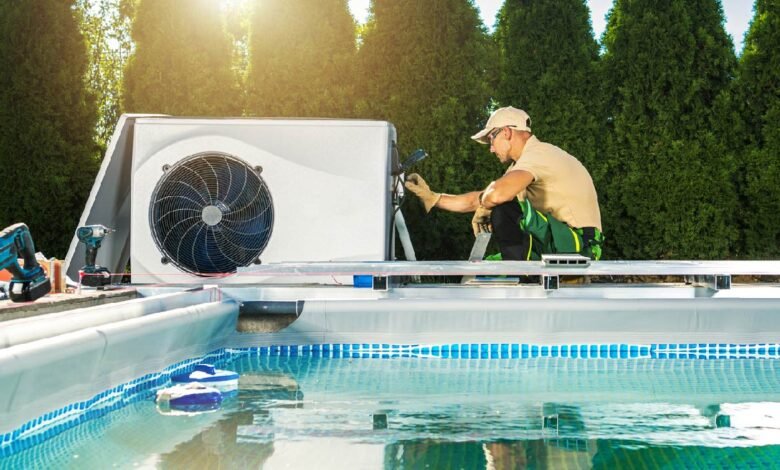
For many homeowners, the backyard swimming pool is a sanctuary for relaxation and a hub for family gatherings. However, even in the height of summer, the water can remain uncomfortably chilly without a properly functioning heating system. A pool heater is a sophisticated piece of equipment that bridges the gap between a seasonal luxury and a year-round retreat. When this system begins to falter, it does more than just ruin a weekend swim; it can lead to increased energy consumption and potential damage to other filtration components. Understanding the early warning signs of mechanical distress is the first step in protecting your investment and ensuring your outdoor oasis remains ready for use at a moment’s notice.
The complexity of modern heating units means that a small ignition flicker or a minor leak can quickly escalate into a total system failure if left unaddressed. Because these units often sit outdoors, they are subjected to fluctuating temperatures, moisture, and debris that can compromise internal sensors and burners. If you notice that your water temperature is inconsistent or that the unit is making unusual noises, it is time to seek professional pool heater repair in Wentzville, MO. Addressing these glitches early not only restores your comfort but also prevents the need for a far more expensive full-system replacement down the road.
Low Water Flow and Pressure Issues
One of the most frequent culprits behind a non-responsive pool heater is actually a problem with the pool’s circulation system. Heaters are equipped with pressure switches designed to shut the unit down if they detect insufficient water flow. This safety feature prevents the internal heat exchanger from overheating and sustaining permanent damage. If your heater refuses to kick on, the first thing to check is your pool filter and pump basket.
Debris buildup in the filter or a clogged pump basket can significantly restrict the volume of water passing through the heater. While cleaning the filter is a common DIY task, if the problem persists after the lines are clear, the issue may lie within the pressure switch itself or a failing pump motor. Maintaining a steady flow of water is essential for the thermal transfer process, ensuring that the energy you pay for is actually reaching the pool water rather than being wasted as stagnant heat within the unit.
Corrosion and Chemical Imbalance
The chemistry of your pool water has a direct and profound impact on the lifespan of your heater. When pool water becomes too acidic or has an improper calcium hardness level, it becomes “aggressive.” This water will slowly eat away at the copper heat exchanger inside your heater. You might first notice this as green staining on the pool floor or small copper flakes gathered in the filter. Unfortunately, once a heat exchanger begins to leak due to corrosion, the repair can be quite extensive.
Homeowners should prioritize regular water testing to ensure pH and alkalinity levels remain within the recommended ranges. If you suspect that your water chemistry has already caused internal damage, contacting a specialist for pool heater repair in Wentzville, MO is the best way to assess the integrity of the heat exchanger. Professionals can perform a pressure test to see if the internal coils are leaking, potentially saving the unit before the internal electronics are flooded and destroyed.
Pilot Light and Ignition Failures
For gas-powered pool heaters, the ignition system is the heart of the operation. Modern units typically use electronic ignition, while older models may rely on a standing pilot light. If you hear a clicking sound but the heater fails to fire up, there could be several causes, ranging from a faulty spark electrode to a clogged burner orifice. Spiders and small insects are notorious for building nests inside the burner tubes during the off-season, which can block the gas flow and prevent a clean flame.
Understanding the Role of the Thermostat
Sometimes the “failure” isn’t a mechanical breakdown but a calibration issue. The thermostat is responsible for telling the heater when to start and stop. If the sensor is misaligned or covered in scale, it may provide inaccurate readings, causing the heater to cycle off before the water reaches the desired temperature. Ensuring that your thermostat and high-limit switches are functioning correctly is a vital part of seasonal maintenance.
Signs Your Heater Needs Professional Attention
Recognizing the difference between a simple maintenance task and a mechanical emergency can save you a lot of frustration. Keep an eye out for these specific indicators that your system requires a technician’s expertise:
- Sooting or Discoloration: Dark spots or “soot” on the outside of the heater indicate improper combustion, which can be a fire hazard.
- Whistling Noises: High-pitched sounds often suggest a blockage in the internal bypass valve or a scaling issue in the heat exchanger.
- Frequent Cycling: If the heater turns on and off every few minutes, it is likely “short-cycling” due to a faulty sensor or airflow obstruction.
- Leaking Water: Any visible water pooling beneath the unit is a sign of a breached gasket or a cracked manifold.
- Error Codes: Modern digital heaters will display specific codes that point directly to sensor failures or gas pressure issues.
Maximizing Energy Efficiency
A well-maintained pool heater is an efficient one. To keep your monthly utility costs low, consider using a solar cover when the pool is not in use. This simple addition prevents heat loss through evaporation, which accounts for nearly 70% of a pool’s total energy loss. Additionally, scheduling a professional tune-up at the start of every season ensures that the burners are clean and the gas pressure is set correctly. An optimized heater runs for shorter periods to achieve the same results, reducing the wear and tear on the internal components and extending the unit’s overall life.
Conclusion
A functioning pool heater is the key to enjoying your home’s outdoor amenities for as long as possible each year. By staying vigilant against low water flow, maintaining balanced chemistry, and addressing ignition issues as soon as they appear, you can avoid the stress of a cold pool and expensive emergency repairs. Remember that proactive care is always more cost-effective than a reactive fix. Keep your system clean, monitor its performance, and don’t hesitate to call in the experts when things don’t seem right.