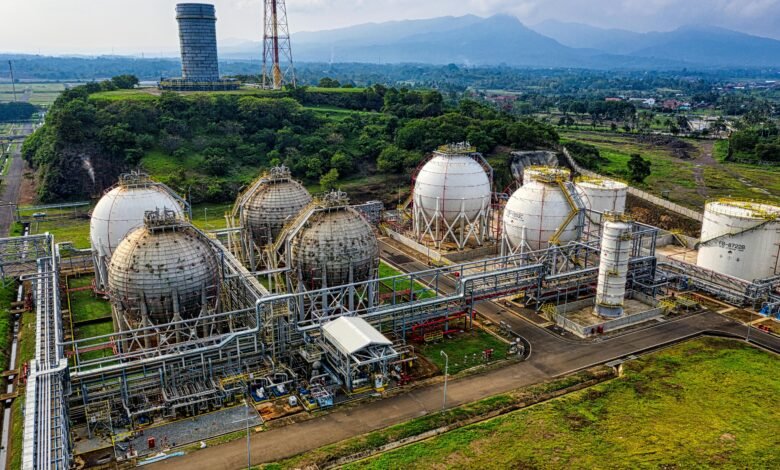
A cryogenic system is indispensable in environments where extremely low temperatures are required. Examples include industrial processes, laboratories, and medical applications where precision and reliability are paramount. By using liquid gases such as nitrogen or helium, a cryogenic system makes it possible to reach temperatures far below zero and maintain them at a stable level. This contributes to consistent process results, longer shelf life, and optimal product quality. For a wide range of applications, from food production to high-tech research, a cryogenic system offers an efficient and proven solution.
What is a cryogenic system and how does it work?
A cryogenic system is designed to generate and control extremely low temperatures. Its operation is based on cryogenic liquids that extract heat from their surroundings as they evaporate. This process ensures rapid and uniform cooling, without significant temperature fluctuations.
A cryogenic system typically consists of storage tanks, piping systems, evaporators, and precise control technology. These components work together to create a stable and safe cooling environment. It is precisely this control that is essential in applications where even small temperature fluctuations can affect the final result. Due to its reliability and reproducibility, a cryogenic system is often used in critical processes.
Applications of a Cryogenic System
The strength of a cryogenic system lies in its versatility. This technology is used across various sectors to optimize processes and ensure quality.
In the food industry, a cryogenic system is used for rapid freezing processes. This helps preserve flavor, texture, and nutritional value. In the medical sector, the system plays a key role in the storage of biological materials such as blood, cells, and vaccines, where constant temperatures are crucial.
Cryogenic systems also offer solutions in industry and science. Examples include improving material properties, controlled cooling during production processes, and supporting advanced research.
Common applications include:
- Rapid freezing processes in the food industry
- Storage of biological and medical materials
- Industrial process cooling
- Support for laboratories and research
Advantages of a Cryogenic System
A modern cryogenic system stands out for its efficiency, reliability, and flexibility. Compared to traditional cooling methods, a cryogenic system can cool faster and maintain temperature with greater precision. This directly leads to better process control and higher product quality.
In addition, the efficient use of cryogenic gases often results in lower energy consumption. The combination of speed and precision makes the system suitable for both small-scale applications and large-scale industrial installations.
A key advantage is its precise controllability. Processes can be tailored exactly to specific requirements, thereby reducing waste and ensuring more consistent results. Companies that opt for a cryogenic system often see this reflected in lower operational costs and a more stable production environment.
What requirements must a cryogenic system meet?
When selecting a cryogenic system, it is important to look beyond just cooling capacity. Safety, sustainability, and integration play a major role. A good system must be able to withstand high pressure, be constructed from suitable materials, and be equipped with reliable control technology.
In addition, a cryogenic system must be easy to integrate into existing processes. Flexibility in design and installation ensures that the system meets the specific requirements of the application.
Maintenance and operational reliability are also key factors. In many sectors, a cryogenic system must operate continuously without interruptions. Therefore, the selection of high-quality components and a well-thought-out design is essential for a long service life and minimal downtime.
Innovation in Cryogenic Systems
The development of cryogenic systems continues to advance. New technologies are enabling even more efficient and sustainable solutions. These include smart monitoring, automated processes, and energy consumption optimization.
At the same time, demand for cryogenic technology is growing in sectors such as hydrogen and aerospace. In these fields, reliable and safe solutions for extremely low temperatures are crucial. These developments ensure that the cryogenic system plays an increasingly important role in modern technology.
A well-designed cryogenic system is therefore not only a solution for today, but also an investment in the future of efficient and sustainable cooling technology.