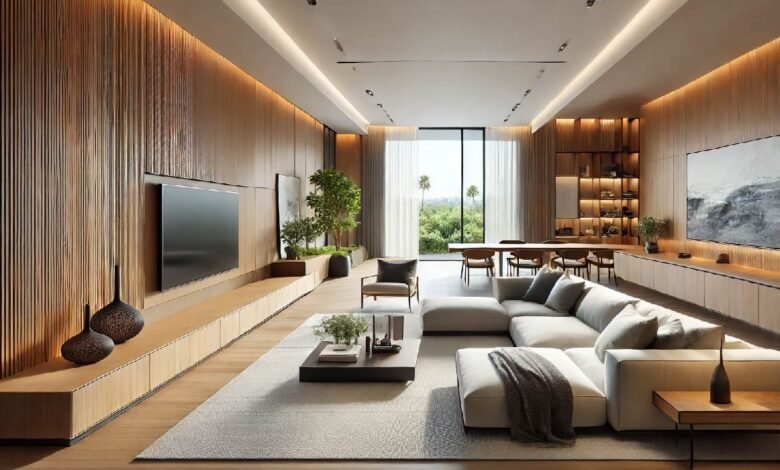
Interior design affects your mood through color, texture, lighting, and material choices that trigger emotional and psychological responses. Cool tones like blue and green promote calm, warm earthy tones energize, natural materials create comfort, and natural light elevates your overall sense of well-being. A thoughtfully designed space can reduce stress, boost productivity, and make you feel more at ease in your own home.
This connection between space and emotion is called interior psychology — and once you understand it, you can make simple design choices that genuinely improve how you feel every day.
Why Does Interior Design Affect Human Behavior?
Our brains constantly process environmental cues — even when we’re not consciously aware of it. A cluttered room can trigger low-level anxiety. A dark space can drain energy. A room flooded with natural light can lift your spirits almost instantly.
Research in environmental psychology confirms that the spaces we occupy influence our stress levels, focus, creativity, and even physical health. Since most people spend over 90% of their time indoors, the design of your home isn’t just about aesthetics — it directly shapes your quality of life.
How Does Color Influence Mood?
Color is one of the most powerful tools in interior design psychology. Different hues trigger different emotional responses:
Calming colors: Soft blues and greens are associated with relaxation and mental clarity. They work well in bedrooms, bathrooms, and any space meant for unwinding.
Energizing colors: Warm tones like terracotta, ochre, and soft coral stimulate warmth and sociability. They’re ideal for kitchens, dining areas, and gathering spaces.
Grounding neutrals: Creamy whites, warm beiges, and soft grays create balance without overstimulation — perfect for multipurpose living areas.
When selecting finishes for high-impact surfaces like backsplashes or accent walls, the color you choose sets the emotional tone for the entire room.
How Do Textures and Natural Materials Affect Emotions?
Texture plays a surprisingly large role in how a space feels. Smooth, synthetic surfaces can read as cold or sterile, while natural materials create warmth and emotional comfort.
Handmade elements — like natural stone tiles or artisan ceramics — introduce subtle imperfections that feel authentic and inviting. This is why handcrafted materials have become a major trend in modern interiors: they create spaces that feel human, not manufactured.
Incorporating tactile variety — soft textiles, natural wood, stone, and ceramic — engages the senses and makes a home feel layered and alive.
How Does Lighting Affect Your Well-Being?
Natural light is one of the most significant factors in emotional well-being at home. Sunlight regulates circadian rhythms, supports serotonin production, and has been shown to reduce symptoms of anxiety and depression.
If your home lacks natural light, reflective surfaces like glossy tiles or mirrors can help bounce light deeper into a room. Warm-toned artificial lighting in the evening supports relaxation, while cooler daylight-balanced bulbs work better for focus and productivity.
What Simple Changes Can Improve Your Mood at Home?
You don’t need a full renovation to benefit from interior psychology. Small, intentional changes can shift the energy of a space:
- Swap sterile surfaces for textured, natural alternatives. A handmade tile backsplash adds warmth and character that mass-produced options can’t replicate.
- Introduce calming colors in rest areas. Soft blues or greens in the bathroom create a spa-like retreat.
- Maximize natural light. Keep windows unobstructed and consider light-reflective finishes.
- Reduce visual clutter. Open, organized spaces feel more peaceful than crowded ones.
- Add elements of nature. Plants, natural stone, and organic textures connect your space to the outdoors.
For outdoor spaces like pools or patios, decorative pool mosaics can transform a backyard into a true retreat — extending that sense of calm beyond the walls of your home.
Conclusion
The way your home is designed directly influences how you feel, think, and function every day. Color, texture, light, and materials all play a role in shaping your mood and energy levels. By making intentional design choices — even small ones — you can create a home that actively supports your well-being.
If you’re looking for a starting point, focus on the surfaces you interact with most: your kitchen backsplash, bathroom walls, or entryway floors. Choosing natural, handcrafted tile options over generic alternatives is one of the simplest ways to add warmth, character, and emotional comfort to your space.
FAQs
How does interior design affect mental health?
Interior design affects mental health by influencing mood, stress levels, and cognitive function through color, lighting, spatial layout, and materials. Well-designed spaces promote calm, focus, and emotional comfort, while poorly designed spaces can contribute to anxiety and fatigue.
What colors are best for mood and relaxation?
Soft blues and greens are best for relaxation and stress reduction. Warm neutrals like beige and cream create balance, while earthy tones like terracotta promote warmth and sociability. Avoid overly saturated or harsh colors in spaces meant for rest.
Can interior design improve productivity?
Yes. Natural light, organized layouts, ergonomic furniture, and dedicated work zones all support focus and efficiency. Studies show that well-designed spaces can significantly increase productivity compared to cluttered or poorly lit environments.
Why do natural materials feel more comforting?
Natural materials like wood, stone, and ceramic connect us to the outdoors and engage our senses in ways that synthetic materials cannot. Their organic textures and subtle imperfections create a sense of authenticity and warmth that promotes emotional comfort.
What is interior psychology?
Interior psychology (also called environmental psychology) is the study of how built environments affect human behavior, mood, and well-being. It examines how factors like color, light, space, and materials influence our emotional and cognitive responses.