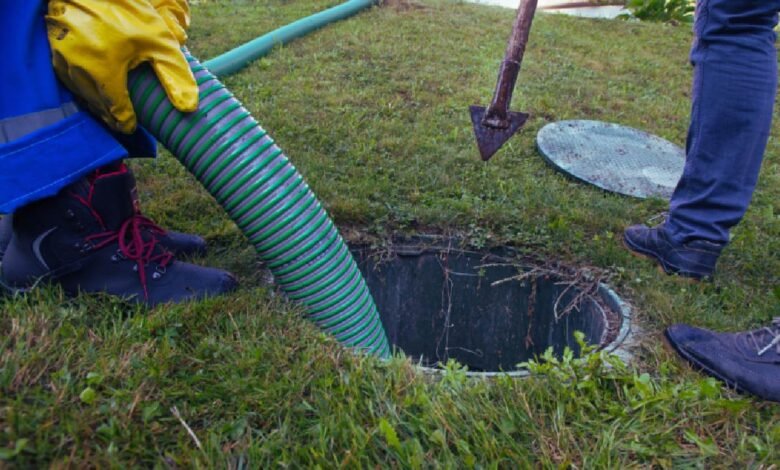
Most homeowners don’t think about their septic system until something goes wrong. A slow drain, an unpleasant odor in the yard, or a backed-up toilet—these are the moments that make you wish you’d scheduled that routine maintenance sooner. The good news? Keeping your system in top shape doesn’t have to be complicated or expensive.
If your home runs on a septic system, regular cleaning and pumping are two of the most important things you can do to protect your property. This guide covers everything you need to know about septic tank cleaning in Raleigh, NC—from how the process works to how often you should schedule service and what to look for in a reliable provider.
How a Septic System Works
A septic system is an underground wastewater treatment structure used in homes that aren’t connected to a municipal sewer line. Wastewater from your toilets, sinks, and showers flows into the septic tank, where solids settle to the bottom and form a layer of sludge. Liquids flow out to the drain field, where the soil naturally filters them.
Over time, the sludge layer builds up. If it’s not removed regularly, it can overflow into the drain field, clog pipes, and cause costly damage to your system and property.
Why Regular Septic Tank Cleaning Matters
Skipping routine maintenance is one of the most common—and costly—mistakes homeowners make. Here’s what can happen when a septic tank goes too long without being pumped and cleaned:
- Sewage backups into your home through drains and toilets
- Drain field failure, which can cost thousands of dollars to repair or replace
- Groundwater contamination, which poses a serious health risk
- Foul odors around your yard and inside your home
- Structural damage to the tank itself from excessive pressure
Septic tank cleaning in Raleigh NCprevents all of these problems. It extends the life of your system, protects your property value, and keeps your household running without interruption.
How Often Should You Clean Your Septic Tank?
The general recommendation from the U.S. Environmental Protection Agency (EPA) is to have your septic tank inspected every three years and pumped every three to five years. That said, the right frequency depends on several factors:
- Household size: More people means more wastewater
- Tank size: Smaller tanks fill up faster
- Water usage habits: High water use accelerates sludge buildup
- What goes down the drain: Flushing non-biodegradable items significantly shortens the time between cleanings
A licensed septic professional can assess your system and recommend a cleaning schedule that fits your specific situation.
What Happens During a Septic Tank Cleaning?
A professional septic cleaning involves more than just pumping out the contents of your tank. Here’s a typical overview of the process:
Locating and Accessing the Tank
The technician will locate your tank—using camera or detection equipment if needed—and uncover the access lids.
Pumping Out the Waste
Using a vacuum truck, the technician removes all liquid and solid waste from the tank, including the sludge layer at the bottom and the scum layer at the top.
Inspecting the System
Once the tank is emptied, a thorough inspection checks for cracks, leaks, damaged baffles, and any signs of drain field stress. Catching these issues early can save significant repair costs down the line.
Cleaning the Tank Walls
After pumping, the interior walls are rinsed and cleaned to remove residual buildup, helping ensure the tank functions efficiently until the next service.
Signs Your Septic Tank Needs Immediate Attention
Don’t wait for your next scheduled service if you notice any of the following warning signs:
- Slow drains throughout the house (not just one fixture)
- Gurgling sounds coming from toilets or drains
- Standing water or wet spots near the drain field
- Strong sewage odors inside or outside your home
- Unusually lush, green grass over the drain field area—this can indicate a leak
Any of these symptoms suggest your system may be overdue for septic tank cleaning in Raleigh, NC, or could require a more urgent inspection.
Choosing a Reliable Septic Service Provider
Not all septic companies are the same. When selecting a provider, look for the following:
Licensing and Insurance
Always verify that the company holds the appropriate state licenses. In North Carolina, septic contractors must be certified by the N.C. Onsite Wastewater Contractors & Inspectors Certification Board and meet environmental quality standards.
Local Experience
A company that knows the Raleigh area and surrounding regions understands the soil conditions, local regulations, and the types of systems commonly installed in the area.
Transparent Pricing
Reputable providers give clear, upfront pricing with no hidden fees. Be wary of companies that can’t provide a straightforward estimate before arriving on-site.
Range of Services
A full-service septic company can handle everything from routine pumping to drain field repair, camera inspections, and emergency callouts. Having one trusted provider for all your septic needs saves time and ensures consistent service quality.
Serving Raleigh and Surrounding Areas
Homeowners across central North Carolina trust Seabound Septic Services & Waste Management for professional, affordable, and reliable septic tank cleaning in Raleigh, NC. Based in Benson, NC, Seabound Septic is fully licensed and insured, holding credentials that include a North Carolina Environmental Quality Permit, a Certified Septic System Installer License, and recognition from the N.C. Onsite Wastewater Contractors & Inspectors Certification Board.
Their team handles everything from standard single-tank pumping to larger systems, emergency 24/7 services, drain field repair, backhoe excavation, camera location services, and point-of-sale inspections. Customers consistently highlight the team’s punctuality, professionalism, and willingness to explain the process clearly—qualities that have earned Seabound Septic a 5.0-star rating on Google.
“On time, very professional, affordable and extremely knowledgeable of septic systems. Outstanding service from Seabound Septic Service. The only septic service I’ll ever deal with.” — Seamoss3, Google Review
Whether you need a routine cleanout or an urgent fix, Seabound Septic makes it easy to get scheduled quickly and affordably.
Frequently Asked Questions
How much does septic tank cleaning cost in Raleigh, NC?
Pricing varies by tank size and service type. As a general benchmark, standard single tanks up to 1,000 gallons typically start around $395. Larger tanks are usually priced per gallon. Always request a clear quote before booking.
Can I use my home normally while waiting for a septic cleaning?
If your system is functioning but overdue for maintenance, normal light use is generally fine. However, if you’re experiencing backups or odors, minimize water use and call a professional as soon as possible.
What should I avoid putting down the drain to protect my septic system?
Avoid flushing wipes (even “flushable” ones), paper towels, feminine hygiene products, cooking grease, and harsh chemical cleaners. These items can disrupt the bacterial balance in your tank and accelerate sludge buildup.
Does Seabound Septic offer emergency services?
Yes. Seabound Septic provides 24/7 emergency septic services for urgent situations throughout the Raleigh area and surrounding communities.
How long does a septic tank cleaning take?
Most standard cleanings take between one and two hours, depending on tank size, accessibility, and the condition of the system.