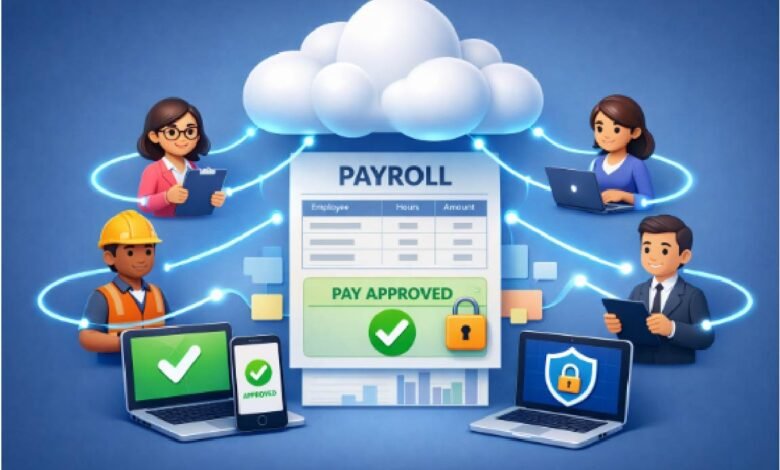
Key Takeaways
- Cloud payroll systems automate payroll, reducing errors and saving time.
- Employees and HR can access payroll data anytime, anywhere.
- These platforms help maintain compliance with changing regulations.
- Cloud payroll is cost-effective, eliminating legacy software and hardware expenses.
- Scalable solutions adapt easily to workforce growth or seasonal changes.
- Advanced security features protect sensitive employee and organizational data.
- Integration with HR, benefits, and accounting systems streamlines operations.
- Real-time reporting and analytics support data-driven business decisions.
- Employee self-service portals enhance transparency, autonomy, and engagement.
- Overall, cloud payroll improves efficiency, accuracy, and flexibility for modern businesses.
Today’s business environment demands agility and efficiency, prompting organizations to rethink their traditional approaches to managing key operations. One area that has seen a remarkable transformation is payroll management, thanks to innovative solutions from cloud-based payroll platforms. By utilizing cloud payroll, companies can automate and streamline their compensation processes, gaining flexibility and reliability that legacy systems often lack. For a comprehensive overview, visit https://www.adp.com/resources/articles-and-insights/articles/c/cloud-payroll.aspx for insights into modern cloud payroll trends and adoption strategies.
As workforces become more distributed, cloud payroll systems provide businesses with the tools they need to support remote and hybrid arrangements effectively. With real-time access to payroll information, both HR departments and employees benefit from increased transparency and the peace of mind that comes with reliable, automated data management. Cloud payroll solutions also help organizations respond rapidly to changing business needs and regulatory environments, making them a crucial asset in today’s workplace. Unlike traditional payroll systems, which often face limitations due to outdated infrastructure and manual processes, cloud-based systems introduce a host of advantages. They enable seamless collaboration, offer robust data protection measures, and are built for easy scaling as a business grows. The integration capabilities of these systems help unify HR, accounting, and finance functions, enabling more accurate and efficient payroll data management. This shift toward cloud-driven payroll technology is more than just a trend; it signifies an evolution in best practices for employee compensation and compliance. As businesses adapt to new ways of working, cloud payroll is proving indispensable for staying competitive in an increasingly digital economy.
Enhanced Accessibility and Mobility
One of the primary benefits of cloud payroll is its accessibility. Both HR staff and employees can view and manage payroll details from any internet-enabled device, at any time. This mobility is especially valuable for organizations supporting distributed teams or remote-first work models. The capacity to process payroll and resolve discrepancies swiftly, regardless of location, removes barriers that previously hampered productivity and employee satisfaction.
Improved Accuracy and Compliance
Manual payroll processes are prone to errors, leading to costly penalties, compliance issues, and employee dissatisfaction. Cloud payroll systems automate complex calculations and workflows, reducing human error and helping organizations stay up to date with the latest federal, state, and local regulations. These platforms are designed to incorporate regulatory changes as soon as they are enacted, lowering the risk of non-compliance and safeguarding the business from potential fines or legal disputes.
Cost Efficiency
By shifting payroll operations to the cloud, businesses can eliminate the need for legacy software maintenance and costly hardware updates. This leads to significant savings not only in infrastructure costs but also by minimizing the hours spent on repetitive administrative tasks. Companies can redirect resources toward strategic initiatives that actually drive growth and profitability. Furthermore, most cloud payroll providers offer subscription-based pricing that scales with the size of the business, enhancing budget predictability and control. Over time, these solutions can adapt to evolving needs, driving continuous efficiency improvements across all organizations.
Scalability
As organizations grow or experience seasonal fluctuations in workforce numbers, managing payroll can become increasingly complex. Cloud payroll systems adapt effortlessly to these changes, supporting the addition or removal of employees and new business units with minimal effort. This inherent scalability allows payroll teams to focus less on technical limitations and more on strategic value, ensuring the system continues to meet business needs. Modern cloud solutions are engineered to scale resources up or down instantly, without requiring costly system overhauls or manual data migrations.
Enhanced Security
Protecting sensitive payroll data is a top priority for businesses of all sizes. Cloud payroll providers invest heavily in robust security measures, including advanced encryption, multi-factor authentication, and regular security audits. These protections often exceed what is possible with in-house, on-premises systems and help guard against threats such as data breaches or unauthorized access. Industry leaders in cybersecurity have recognized cloud payroll as a frontline defense against the theft of confidential employee and organizational information, making it a vital tool for building customer and employee trust.
Integration with Other Systems
Streamlining operations means connecting payroll data seamlessly with HR, benefits, and accounting systems. Modern cloud payroll solutions feature extensive integration capabilities, supporting the automatic exchange of information across the business. This connectivity ensures all employee data remains up to date and eliminates redundancies or data silos. The result is increased payroll processing accuracy and significant savings in time and operational costs. Integration also supports unified analytics and reporting, enhancing management oversight. This aspect of integration is becoming increasingly critical as organizations seek to leverage data for improved business intelligence and results.
Real-Time Reporting and Analytics
Access to real-time payroll data empowers managers to make faster, data-driven decisions related to labor costs, overtime, and workforce planning. Customizable dashboards provide clear, immediate visibility into payroll trends, enabling businesses to anticipate budgetary needs and allocate resources more effectively. Timely analytics also help identify patterns and discrepancies, driving continual process improvement and supporting strategic planning. Leading business outlets such as Forbes highlight how real-time payroll data is key for modern financial management and employee satisfaction.
Employee Self-Service Portals
Many cloud payroll systems include self-service portals that grant employees direct access to their pay statements, tax forms, and personal data. This autonomy boosts morale and trust while significantly reducing the administrative burden on HR teams. Employees can check pay history, submit address changes, or download tax documents without waiting for HR intervention, creating a culture of transparency and empowerment. Such portals have become essential features for companies aiming to provide a modern workplace experience. Employee engagement rises as people feel respected, informed, and empowered. As the demands of the contemporary workplace continue to evolve, cloud payroll stands out as an essential tool for efficient, accurate, and secure compensation management. By embracing these flexible, data-driven platforms, businesses position themselves at the forefront of innovation, ready to thrive in an increasingly competitive, technology-centric world.