Maintaining Safe Storage Systems in UK Warehouses
Warehouses rely heavily on pallet racking to store goods safely and efficiently. These systems are designed to handle significant weight and constant use, but they are not immune to damage. Over time, impacts, incorrect loading, and general wear can weaken the structure.
Without proper checks, this damage can go unnoticed. What appears to be minor can develop into a serious safety issue if left unresolved. For warehouse operators, regular inspection is one of the most effective ways to manage this risk.
A structured inspection process helps ensure that racking systems remain safe, compliant, and suitable for ongoing use.
The Value of a SARI Pallet Racking Inspection
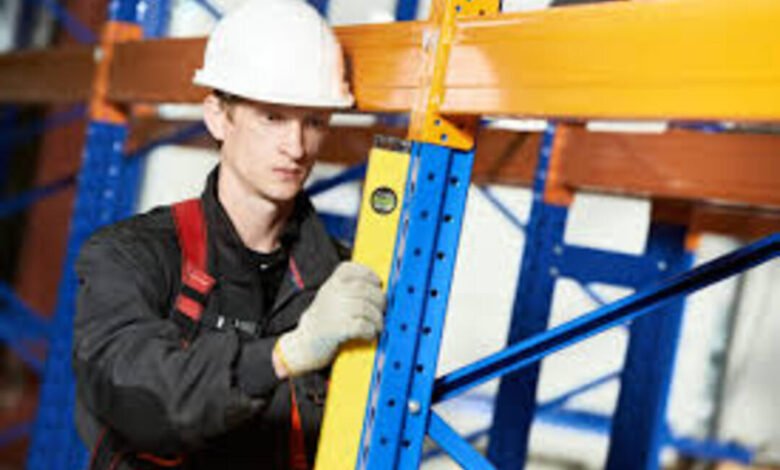
A SARI Pallet Racking Inspection provides a professional assessment of your racking system by a qualified inspector. A SARI Pallet Racking Inspection is carried out by someone trained under the Storage Equipment Manufacturers Association standards, ensuring that the inspection meets recognised industry requirements.
This type of inspection gives warehouse managers a clear understanding of the condition of their racking. It highlights areas of concern and provides guidance on what action is needed.
Rather than relying on guesswork, businesses receive a detailed report that supports informed decision-making.
Key Areas Covered During Inspection
A thorough inspection goes beyond a visual check. Inspectors assess multiple elements of the racking system to identify both obvious and hidden issues.
Typical inspection points include:
- Structural condition of uprights and frames
- Beam alignment and connection points
- Floor fixings and base plates
- Presence and condition of safety locks
- Evidence of overloading or misuse
Inspectors also review how the racking is being used in practice, which can highlight operational issues that contribute to damage.
Identifying Damage Early
One of the main benefits of a professional inspection is early detection. Small problems can often be resolved quickly if they are identified in time.
For example, a slightly bent upright may not seem urgent, but it can reduce load capacity and increase the risk of collapse. Addressing this early prevents more serious damage and avoids costly repairs later.
Early identification also allows businesses to plan maintenance work more effectively, reducing disruption.
Understanding Inspection Reports
After the inspection, a report is provided outlining the condition of the racking system. This report typically uses a clear classification system to show the level of risk.
- Green indicates acceptable condition with no immediate action required
- Amber highlights issues that should be addressed within a set timeframe
- Red identifies serious risks that require immediate attention
This structured approach makes it easier to prioritise repairs and allocate resources where they are needed most.
Meeting Legal and Safety Requirements
In the UK, employers are responsible for ensuring that all workplace equipment is safe to use. This includes pallet racking systems.
Regular inspections form part of this responsibility. They demonstrate that the business is taking appropriate steps to manage risk and protect employees.
Failure to maintain safe storage systems can lead to enforcement action, fines, or more serious consequences if an accident occurs.
Working with experienced providers like DC Direct helps businesses stay aligned with current safety expectations.
Improving Operational Efficiency
While safety is the primary concern, inspections also contribute to better overall performance.
Well-maintained racking systems are easier to use and less likely to cause delays. Staff can move goods more efficiently when they are confident in the condition of the storage system.
Regular inspections also reduce the likelihood of unexpected failures, which can disrupt operations and create additional costs.
When to Schedule an Inspection
Annual inspections are recommended as a minimum, but there are situations where additional checks are advisable.
These include:
- After a forklift impact or visible damage
- When changing the layout of the warehouse
- If new types of loads are introduced
- When there are concerns raised during internal checks
Scheduling inspections at the right time helps ensure that risks are managed effectively.
Final Thoughts
Keeping pallet racking in safe condition requires a consistent and structured approach. Inspections play a key role in identifying issues before they become serious problems.
A SARI Pallet Racking Inspection provides a reliable and professional way to assess your system and maintain compliance. For UK warehouses, it is a practical step that supports both safety and long-term efficiency.