Your vehicle’s braking system is one of the most critical components for safety, yet it’s often overlooked until a problem becomes obvious—or worse, dangerous. Many drivers wait until they hear grinding noises or feel major performance issues before taking action, but by that point, the damage is often more extensive and expensive to fix.
Knowing when it’s time to act can help you avoid costly repairs and, more importantly, keep you safe on the road. Staying proactive with maintenance and sourcing quality parts from a trusted auto parts store ensures you’re prepared before problems escalate. Understanding the early warning signs and why timely replacement matters can make all the difference.
Signs Your Brakes Need Replacing
Your brakes give you several warning signs before they fail completely. Recognizing these early indicators can help you address issues before they become serious.
One of the most common signs is a squealing or squeaking noise when you apply the brakes. This sound is often caused by wear indicators built into brake pads, designed to alert you when the pads are getting thin. While it may seem minor, it’s a clear signal that your brakes need attention.
Grinding noises are more serious. If you hear a grinding sound, it usually means the brake pads have worn down completely, and metal is contacting metal. This can damage the rotors and significantly increase repair costs.
Another warning sign is reduced braking performance. If your vehicle takes longer to stop or requires more pressure on the brake pedal, it may indicate worn pads, air in the brake lines, or other system issues. Any noticeable change in stopping power should be addressed immediately.
Vibration or pulsation in the brake pedal is also a concern. This can be caused by warped rotors or uneven wear, which affects how smoothly your brakes engage. Ignoring this issue can lead to further damage and reduced control.
A soft or spongy brake pedal is another red flag. This may indicate a problem with the hydraulic system, such as air in the lines or low fluid levels. Checking related components, including power steering fluid levels, can help ensure your vehicle’s systems are functioning properly, although brake fluid itself is the primary concern for braking performance.
You may also notice your vehicle pulling to one side when braking. This can be caused by uneven brake wear, stuck calipers, or issues with the braking system. It not only affects performance but also compromises safety.
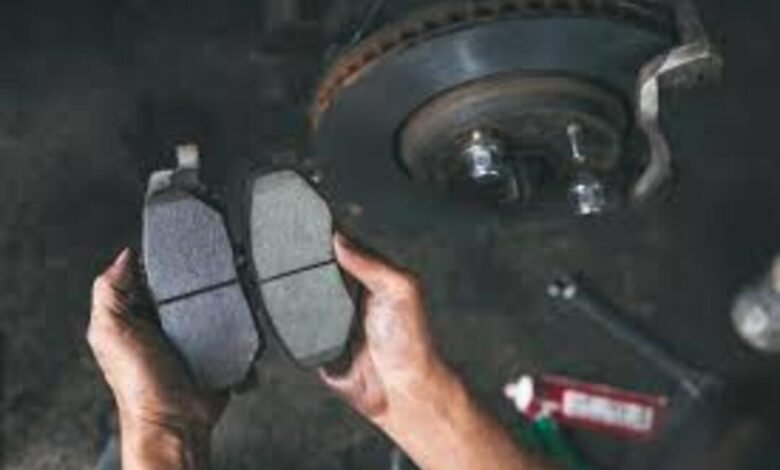
Finally, visual inspection can reveal a lot. If your brake pads appear thin or worn, it’s time to consider a brake replacement before further damage occurs. Regularly checking your brakes can help you catch issues early and avoid more extensive repairs.
Early Brake Replacement Matters
Replacing your brakes early isn’t just about avoiding noise or minor inconvenience—it’s about protecting your vehicle and ensuring your safety.
One of the biggest benefits of early replacement is cost savings. Worn brake pads are relatively inexpensive to replace, but if they’re left too long, they can damage rotors, calipers, and other components. This turns a simple maintenance task into a much more expensive repair.
Safety is another critical factor. Your brakes are your primary means of controlling your vehicle, and any reduction in performance increases the risk of accidents. Replacing worn components before they fail ensures that your vehicle can stop effectively in all conditions.
Early replacement also improves overall driving experience. Smooth, responsive braking makes driving more comfortable and predictable. It reduces noise, vibration, and the stress that comes with uncertain stopping power.
Preventive maintenance helps extend the life of other components as well. When your braking system is functioning properly, it reduces strain on related parts, keeping your vehicle in better condition over time.
Another advantage is peace of mind. Knowing that your brakes are in good condition allows you to drive with confidence, whether you’re commuting daily or taking longer trips. You won’t have to worry about sudden issues or unexpected failures.
Additionally, staying ahead of maintenance allows you to plan repairs on your schedule rather than dealing with emergencies. This makes the process more convenient and less disruptive to your routine.
Conclusion
Brake issues rarely appear suddenly—they develop over time, giving you warning signs along the way. By paying attention to these signs and taking action early, you can avoid costly repairs and ensure your safety on the road.
From unusual noises to changes in performance, your vehicle provides clear indicators when something isn’t right. Addressing these issues promptly and investing in timely brake replacement helps maintain reliability and control.
In the end, proactive maintenance is always the better choice. Replacing your brakes before it’s too late not only protects your vehicle but also gives you the confidence to drive safely, knowing your most important safety system is working exactly as it should.