Why LED Battens Suit Practical Spaces
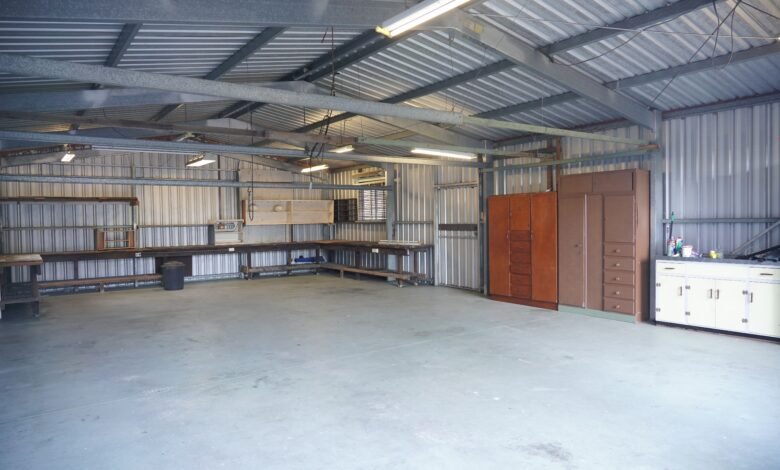
Garages, home workshops, sheds, lofts and utility rooms need lighting that makes it easy to find equipment and complete practical tasks. A single decorative ceiling light often leaves dark corners, creates shadows over benches and provides limited visibility around shelves or appliances. LED battens are a common solution because they spread light across a longer area and are available in several lengths and output levels.
Modern LED battens can replace older fluorescent fittings without the delay, flicker and tube maintenance associated with ageing installations. Integrated LED models contain the light source within the fitting, so there is no separate tube to buy. They can also offer useful features such as selectable wattage, adjustable colour temperature, motion sensors and emergency operation.
The best product depends on room size, ceiling height, moisture, dust and how the space is used. Choosing only by length can lead to too much or too little light.
Match the Fitting to the Environment
The Batten Lights available from Light Hub Direct include standard IP20 products and IP65 non-corrosive options. IP20 battens are generally intended for dry internal areas, while IP65 fittings provide greater protection against dust and water ingress.
A dry loft or utility room may only need a standard fitting. A garage where doors are regularly open, a shed exposed to damp air or a workshop with dust may benefit from a sealed non-corrosive model. The exact location and cleaning methods should be considered, and the manufacturer’s instructions must be followed.
Temperature can also matter. Unheated outbuildings may become very cold in winter and hot in summer. Check the stated operating range if conditions are likely to be extreme. In areas where the fitting could be struck by equipment, look at construction quality and any impact rating provided.
Choose the Right Length and Lumen Output
LED battens are commonly sold in lengths such as 2ft, 4ft, 5ft and 6ft. A longer fitting does not automatically mean it is the best choice. Light output, beam pattern and the number of fittings all influence coverage.
A small utility room may only need one compact batten. A double garage may work better with two or more fittings arranged over parking and storage zones. In a workshop, placing battens on both sides of a bench can reduce shadows caused by the person working beneath them.
Compare lumens rather than relying only on wattage. High-output versions are useful for larger spaces or higher ceilings, while lower-output models may be sufficient in a narrow store or loft. Pale walls and ceilings reflect light, while dark timber, brick and crowded shelving absorb it.
Consider Colour Temperature for the Task
Neutral white is a popular choice for garages and utility rooms because it gives a clear appearance without feeling excessively cool. Daylight white can help in workshops where detailed tasks, colour matching or small components require strong visibility. Warm white is less common in practical work areas but may suit a utility space connected to the main home.
CCT-switchable battens offer a choice of colour temperatures within one fitting. The installer selects the preferred setting, which can be useful when the final wall finishes or use of the room are not yet confirmed. It also allows one product range to be used across several areas with different requirements.
Try to keep the colour temperature consistent within the same room. Mixing warm and daylight fittings can create an uneven appearance and make some areas seem dull by comparison.
Sensors Can Reduce Unnecessary Running Time
Garages, lofts and stores are often used for short periods, so sensor battens can prevent lights being left on. Microwave sensors are commonly built into commercial-style battens and can detect movement across a broad area. Some products switch fully on and off, while corridor-function models can dim to a lower level when no movement is detected.
Sensor position and settings need attention. A microwave sensor may detect movement beyond a thin wall or door, which can cause unwanted activation. Time delay, sensitivity and daylight settings should be adjusted for the room. A manual override may also be useful in a workshop where someone remains relatively still for long periods.
For occasional domestic use, a standard switched batten may be simpler. The energy saving provided by a sensor depends on how often lights would otherwise be left on.
Plan the Installation Before Ordering
Measure the ceiling and note joists, beams, doors, loft hatches and garage door tracks. Check where the electrical supply enters the fitting and whether surface conduit is used. Some replacements can use the existing wiring position, while others may need cable changes.
Electrical work should be completed by a competent person. Garages and outbuildings can have additional circuit and earthing considerations, particularly where supplies run outside the main house. The installer can confirm product suitability, switching and protective devices.
Light Hub Direct sells a broad range of LED battens, including different lengths, IP ratings, sensor models and emergency versions. Free next-day UK shipping is available on orders over £50 under current terms, which can help when a project is being scheduled around an electrician. A little planning before purchase will usually produce more even light and a better working environment.