Clean water is not only important for drinking. It is also essential for commercial buildings, manufacturing plants, food production, cooling systems, boilers, laboratories, and many other industrial operations. That is why reverse osmosis systems have become one of the most trusted water treatment technologies across multiple industries.
For businesses that depend on consistent water quality, reverse osmosis is more than a filtration method. It is a practical solution for reducing dissolved minerals, improving water purity, protecting equipment, and lowering long-term operating problems.
Companies like Mobetta Water understand the importance of reliable water treatment systems for commercial and industrial applications. From bottled water production to cooling tower makeup water, the right commercial reverse osmosis system can help businesses improve efficiency, protect equipment, and produce better-quality water.
What Is Reverse Osmosis and What Does It Actually Do?
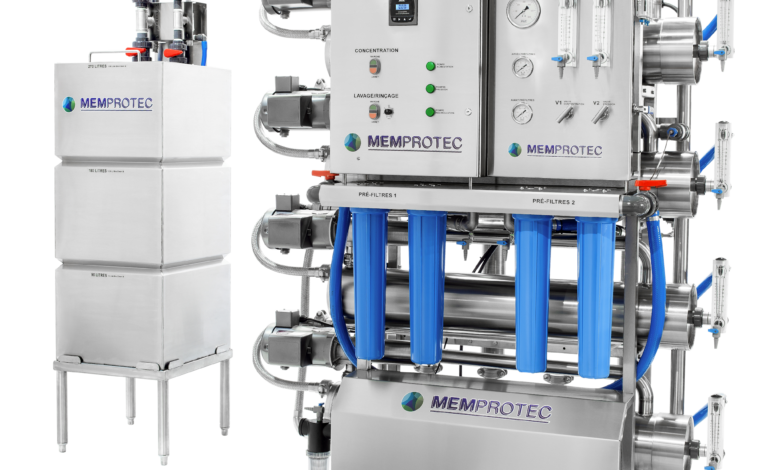
Reverse osmosis, often called RO, is a water treatment process that uses pressure to push water through a semi-permeable membrane. This membrane allows water molecules to pass through while reducing dissolved solids, minerals, salts, and many unwanted contaminants.
In simple terms, reverse osmosis systems help remove things from water that ordinary filters cannot handle effectively.
RO systems are commonly used to reduce:
- Dissolved minerals
- Total dissolved solids, also known as TDS
- Salts
- Calcium and magnesium hardness
- Certain metals
- Sediment after pre-filtration
- Chemical impurities
- Unwanted taste and odor
This makes RO one of the most important technologies in any serious commercial water purification system.
Why Businesses Use Reverse Osmosis Systems
Different industries use water in different ways, but the goal is often the same: cleaner, more consistent water with fewer problems.
For some businesses, RO water improves product quality. For others, it helps protect equipment from mineral scale and corrosion. In many cases, it also helps reduce chemical usage and maintenance costs.
This is why industrial reverse osmosis systems are used across such a wide range of applications.
Reverse Osmosis in Bottled Water Plants
One of the most common uses of RO technology is in bottled water production.
A professional bottled water plant needs consistent water quality every day. Customers expect clean, fresh-tasting water, and the plant must maintain strict safety and quality standards.
In this setup, RO is usually part of a larger treatment process that may include:
- Sediment filtration
- Carbon filtration
- Water softening
- Commercial reverse osmosis systems
- UV sterilization
- Ozone treatment
- Storage and bottling
The RO system acts as the core purification stage. It reduces dissolved solids and helps create clean water suitable for bottling.
For companies operating a water bottling plant, investing in the right RO system is critical because water quality directly affects product consistency, customer trust, and long-term business growth.
This is where suppliers like Mobetta Water provide real value. Their experience with water bottling equipment, RO systems, ozone equipment, and complete plant solutions makes them a strong partner for businesses entering or expanding in the bottled water industry.
Reverse Osmosis for Cooling Tower Makeup Water
One of the most valuable industrial uses of reverse osmosis is in cooling tower makeup water.
Cooling towers are used in commercial buildings, manufacturing facilities, power systems, processing plants, and large mechanical systems. They help remove heat from equipment and processes by using water evaporation.
The problem is that when water evaporates, minerals stay behind. Over time, these minerals build up and create scale.
Scale buildup can cause serious issues, including:
- Reduced heat transfer efficiency
- Higher energy consumption
- Blocked pipes and nozzles
- Increased maintenance
- More chemical treatment
- Shorter equipment life
Using RO-treated cooling tower makeup water helps reduce the amount of dissolved minerals entering the system. This can help keep mineral scale down and reduce the need for heavy chemical treatment.
For facilities with large cooling towers, this can be a major advantage.
A properly designed industrial reverse osmosis system can help:
- Reduce calcium and magnesium hardness
- Lower TDS levels
- Reduce scaling potential
- Improve cooling tower efficiency
- Reduce blowdown frequency
- Lower chemical consumption
- Extend equipment lifespan
This is an important opportunity for commercial and industrial facilities that want better water control and lower long-term operating problems.
Reverse Osmosis for Boiler Feed Water
Boilers also benefit from high-quality water.
When untreated or poorly treated water enters a boiler, dissolved minerals can create scale inside the system. This reduces heat transfer, increases fuel usage, and can lead to expensive maintenance issues.
RO-treated boiler feed water helps reduce the mineral load before water enters the boiler system.
Benefits include:
- Less scale buildup
- Improved heat transfer
- Reduced chemical treatment
- Better system efficiency
- Lower risk of downtime
For commercial buildings and industrial plants, RO can be an important part of a broader water treatment strategy.
Reverse Osmosis in Food and Beverage Production
Food and beverage businesses rely heavily on water quality. Whether producing bottled drinks, ice, sauces, dairy products, or processed foods, water consistency matters.
An effective reverse osmosis water treatment plant helps businesses maintain better control over taste, purity, and production quality.
RO water is commonly used in:
- Beverage production
- Ice manufacturing
- Food processing
- Ingredient water
- Rinse water
- Product preparation
When water quality changes, product quality can change too. RO helps create a more consistent base water for production.
Reverse Osmosis in Manufacturing
Many manufacturing facilities use water in production, cleaning, rinsing, cooling, or equipment operation.
Poor water quality can cause:
- Mineral deposits
- Staining
- Equipment scaling
- Product defects
- Higher maintenance costs
That is why industrial water purification systems are often used in manufacturing environments. RO systems can help provide cleaner process water, better rinse results, and greater control over production conditions.
Industries that may use RO include:
- Metal finishing
- Electronics manufacturing
- Automotive production
- Chemical processing
- Plastics manufacturing
- General industrial production
For these facilities, water quality is not a small issue. It affects performance, consistency, and cost.
Reverse Osmosis for Car Wash and Spot-Free Rinse Systems
Another practical use of RO is in car wash operations.
When vehicles are rinsed with hard water, minerals can leave visible spots on the surface after drying. RO water reduces dissolved minerals, helping produce a cleaner, spot-free rinse.
This improves the final appearance and reduces customer complaints.
For car wash businesses, RO can be a strong investment because better rinse quality directly improves customer satisfaction.
Reverse Osmosis for Laboratories and Technical Applications
Laboratories and technical facilities often require highly controlled water quality.
RO systems are commonly used as part of water purification setups for:
- Laboratory testing
- Medical facilities
- Research applications
- Equipment cleaning
- Technical rinsing
In these environments, water consistency is essential. Even small amounts of dissolved solids can affect results or damage sensitive equipment.
Why System Design Matters
Not every RO system is the same.
A small commercial RO unit may work for a low-volume application, but larger facilities need properly sized systems based on flow rate, water quality, pressure, usage demand, and application type.
A professional commercial reverse osmosis system should be selected based on:
- Incoming water quality
- Required production volume
- Desired TDS reduction
- Storage tank needs
- Pretreatment requirements
- Pump and membrane sizing
- Maintenance expectations
- Final application
This is why working with an experienced supplier is so important.
A poorly sized RO system may struggle to keep up with demand, require frequent maintenance, or fail to deliver the required water quality. A properly designed system works more efficiently and supports long-term operation.
The Role of Pretreatment
Pretreatment is critical for protecting RO membranes.
Before water reaches the RO membrane, it may need to pass through:
- Sediment filters
- Carbon filters
- Water softeners
- Anti-scalant systems
- Iron removal systems
- Chlorine reduction systems
Pretreatment helps prevent membrane fouling, scaling, and damage. This improves system performance and extends membrane life.
For industrial and commercial applications, pretreatment should never be ignored.
Choosing the Right Reverse Osmosis Supplier
When selecting RO equipment, businesses should look beyond the machine itself.
The right supplier should understand the complete application, not just sell a standard unit. This is especially important when dealing with bottled water plants, cooling towers, boilers, or industrial systems.
A reliable supplier should provide:
- Proper system guidance
- Equipment sizing support
- Pretreatment recommendations
- Technical knowledge
- Replacement parts
- Long-term support
This is one of the reasons businesses work with Mobetta Water. With experience in commercial water purification systems, bottled water equipment, ozone systems, vending equipment, and plant setup, Mobetta Water provides practical solutions for businesses that need dependable water treatment systems.
Why Reverse Osmosis Is a Long-Term Investment
RO is not only about improving water today. It is about protecting systems and reducing problems over time.
A well-designed industrial reverse osmosis system can help businesses:
- Improve water quality
- Reduce mineral scale
- Lower chemical demand
- Protect expensive equipment
- Improve process efficiency
- Support consistent production
- Reduce maintenance issues
For operations using cooling towers, boilers, bottling lines, or production equipment, these benefits can make a major difference.
Final Thoughts
The uses of reverse osmosis systems go far beyond bottled water. While RO plays a major role in producing clean drinking water, it is also highly valuable for cooling towers, boiler feed water, food and beverage production, manufacturing, car washes, laboratories, and other commercial applications.
For facilities with cooling towers, RO-treated makeup water can help reduce mineral scale, improve system efficiency, and reduce chemical usage. For bottled water plants, RO provides the clean foundation needed for consistent product quality. For industrial operations, it helps protect equipment and improve process reliability.
Choosing the right RO system starts with understanding the application, water quality, and long-term goals.
Businesses looking for reliable commercial reverse osmosis systems and complete water treatment solutions can benefit from working with experienced providers like Mobetta Water. With practical industry knowledge and a strong focus on commercial water systems, Mobetta Water helps businesses choose equipment that supports performance, reliability, and long-term growth.