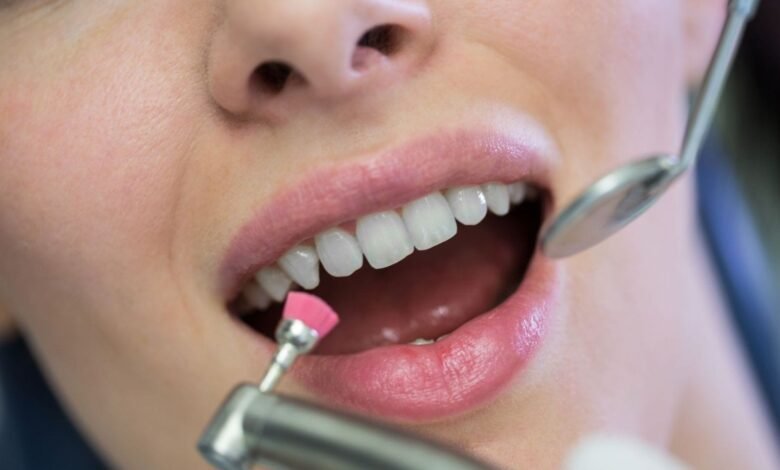
In many people’s day-to-day lives, dental hygiene appointments are postponed for longer than they should be. It is not always due to lack of time: often the reason is simpler and more human, and it involves a very specific fear. One of the most common is sound-related anxiety the noise of dental instruments can trigger nervousness, tension, and discomfort, leading some patients to avoid check-ups and professional cleanings for months, sometimes even years.
In the Archway area of London, Archway Dental Group Ltd has built its identity around an approach that combines technology with genuine attention to the person. The environment is designed to support patients in an educational and empathetic way, explaining every stage clearly and offering solutions that make appointments more comfortable. Among the practice’s distinctive features alongside an integrated digital workflow and modern technologies there is also a real focus on stress management: during the first visit, for example, there is even a therapy dog to help more anxious patients feel at ease.
When discussing dental hygiene in Archway, the topic is therefore not only about “cleaning teeth”, but also about helping people who feel anxious to look after their oral health without feeling judged or under pressure. In this editorial-style piece, with a journalistic tone and focused on the most searched questions online, we address common doubts about oral hygiene, plaque and tartar, interdental cleaning, and above all practical ways to deal with the fear of dental instrument noise.
What a Dental Hygienist Does and Why They Are Key to Prevention
One of the most common online searches is a straightforward question: what does a dental hygienist do?Understanding this matters, because professional hygiene is often mistakenly seen as an “aesthetic” treatment useful mainly for removing stains. In reality, its role is primarily preventive.
A dental hygienist helps reduce and control factors that, over time, can contribute to tooth decay and gum problems. Plaque and tartar are not simply “dirt”: they are accumulations that can irritate the gums, lead to bleeding, and if neglected contribute to the progression of more serious conditions.
During a hygiene appointment, several steps are typically carried out, including:
- removing plaque and tartar from areas that are difficult to clean at home
- polishing to reduce plaque retention and improve the “clean” feeling
- assessing gum health and highlighting any signs of inflammation
- providing personalised advice on brushing and cleaning between the teeth
In a practice like Archway Dental Group Ltd, where the approach is multidisciplinary, hygiene appointments may also be part of a broader care pathway gum health is essential even when planning aesthetic or restorative treatments.
But there is one key point: a professional clean should not feel like an endurance test. It should be a care appointment. This is where managing anxiety becomes particularly important, especially when the noise of dental instruments is the main obstacle.
Why the Noise of Dental Instruments Causes Anxiety
The sentence “I’m afraid of the noise of dental instruments” describes an experience that is more common than many people realise. Sound is not a minor detail: for some, it can be a real emotional trigger, linked to unpleasant memories or a sense of vulnerability.
The noise can feel frightening for several reasons:
- it is high-pitched and can feel “intrusive”
- it is often associated (even unconsciously) with pain
- it makes it harder to relax because it draws continuous attention
- it can make the patient feel they have little control over the situation
Sometimes this fear comes from previous experiences; other times it is an instinctive reaction. In both cases, it helps to remember something important: fear of the noise is not a whim it is a real stress response.
In a modern, patient-centred approach, this type of anxiety is acknowledged and managed rather than dismissed. The goal of dental hygiene in Archway is not to make patients “put up with” the noise, but to help them reduce its impact on their experience.
How to Remove Plaque and Why “Brushing More” Isn’t Enough
A very common search online is: how do you remove plaque? The answer may sound simple brush more. In reality, it is not only about how often you brush, but how effectively you do it.
Plaque is a film of bacteria and debris that constantly forms on teeth. If it is not removed properly, it can irritate the gums and contribute to tartar build-up. The challenge is that plaque tends to accumulate especially:
- between the teeth
- along the gumline
- behind molars and in hard-to-reach areas
That is why, even brushing two or three times a day, plaque can still build up if technique is not effective or if interdental cleaning is missing.
To reduce plaque effectively, people usually need:
- careful brushing with the right technique
- cleaning between the teeth (floss or tools recommended by a professional)
- regular check-ups and professional hygiene sessions
It is also important to clarify that aggressive DIY methods are counterproductive. Scraping with unsuitable tools or using abrasive substances to “clean better” can increase the risk of irritation and sensitivity.
How to Remove Tartar: What You Can Do at Home and What You Can’t
Another frequent search is: how do you remove tartar from teeth? Tartar is plaque that has mineralised. Once it forms, it cannot be removed with a toothbrush, and trying to remove it at home is strongly discouraged.
Tartar adheres to tooth surfaces and can also build up under the gumline. For this reason, it requires professional instruments and techniques.
At home, you can do a lot to help prevent tartar:
- brush consistently with the right technique
- clean between your teeth every day
- reduce plaque build-up in critical areas
But when tartar is already present, the only correct way to remove it is a professional hygiene appointment.
People who fear the noise of dental instruments often delay this step. However, the longer the delay, the more tartar can accumulate and the longer and more stressful the appointment may feel. From a practical perspective, keeping up with regular hygiene usually makes the experience simpler and more manageable.
How to Use Dental Floss Properly: Before or After Brushing?
Among the most searched questions are: how to use dental floss, and especially: should you floss before or after brushing?
Professionals often explain that the order can vary, but what matters most is consistency and correct technique. Many people find it helpful to floss before brushing because:
- it removes debris from between the teeth
- it allows toothpaste to reach cleaner surfaces more effectively
- it can make brushing more efficient
A common mistake is “sawing” the floss against the gums. Floss should be guided gently and moved along the side of the tooth with controlled motions.
Helpful points to remember include:
- cut an appropriate length and wrap it around your fingers
- guide the floss between the teeth without forcing it
- curve it against the tooth and move it up and down gently
- repeat for each interdental space using a clean section of floss
People who say “floss hurts” may be using it too aggressively, or their gums may already be inflamed. In both cases, a hygienist assessment can help identify the most suitable tool and teach the right technique without discomfort.
When to Use Mouthwash and Whether Mouthwash Can Cause Irritation
Other common questions include: when to use mouthwash and can mouthwash be harmful?
Mouthwash is not a substitute for brushing and interdental cleaning. It can be a helpful support, but it should be selected and used appropriately. Using it simply to “feel cleaner” does not improve hygiene if plaque remains between the teeth.
In certain cases, a mouthwash may be recommended for specific periods, for example when a dentist or hygienist advises it for particular needs. However, prolonged or unsuitable use can cause discomfort, such as dryness or irritation especially for people who are already sensitive.
A sensible rule is this: if you are unsure which product to use, it is safer to ask for professional guidance rather than relying on random choices or “recipes” found online.
How to Manage Fear of the Noise During a Hygiene Appointment
Returning to the focus of this article: I’m afraid of the noise of dental instruments. How can this fear be managed in a practical way?
A useful strategy is to work on three levels: communication, environment, and technique.
1) Clear communication
Knowing in advance what will happen can reduce anxiety. Simple explanations help turn a “threatening” sound into something understandable. Agreeing a hand signal to pause can also give patients a greater sense of control.
2) Environment and comfort
A welcoming setting, respectful timing, and genuine attention to the patient can have a real impact on stress levels. At Archway Dental Group Ltd, the approach is intentionally empathetic, and the first-visit pathway is designed to gather information and understand the patient’s needs including emotional ones.
3) More comfortable techniques and tools
Modern technologies can make certain steps gentler. For anxious patients, one option that may help when clinically appropriate is conscious sedation for hygiene appointments. This does not mean “sleeping”, but experiencing the session in a more relaxed and less stressful way.
In addition, the practice offers AirFlow technology, which uses a controlled jet of air, water, and fine powder to remove plaque and surface stains in an effective yet gentle way. For patients who are sensitive to noise or stronger sensations, a more comfortable approach can make a meaningful difference.
What Happens If You Don’t Brush Your Teeth: Why Delaying Hygiene Isn’t Worth It
Searches such as “what happens if you don’t brush your teeth” reflect a genuine concern: oral health problems often worsen quietly.
When daily cleaning is not effective, or when professional hygiene is delayed for too long, the following may increase:
- plaque and tartar build-up
- gum inflammation and bleeding
- persistent bad breath
- risk of decay in interdental areas
For those who fear the noise, the paradox is that delaying care often makes it harder to get back into a regular routine. A hygiene appointment done consistently is generally more manageable than a cleaning carried out after a long period of avoidance.
Fear of the noise of dental instruments is real and common, but it should not become a reason to neglect prevention. Understanding what a dental hygienist does, how plaque and tartar form, and how to clean between teeth properly can help patients take care of their mouths with greater awareness.
At the same time, it is important to remember that DIY methods especially aggressive or improvised attempts to “remove tartar” are strongly discouraged and can cause irritation or damage. The safest route is always a professional, personalised approach.
Within the context of dental hygiene in Archway, Archway Dental Group Ltd combines technological innovation, an empathetic patient experience, and comfort-focused options, supporting calmer appointments even for anxious patients. In an era where prevention is key to avoiding more complex issues, addressing fear with practical tools becomes an integral part of care.