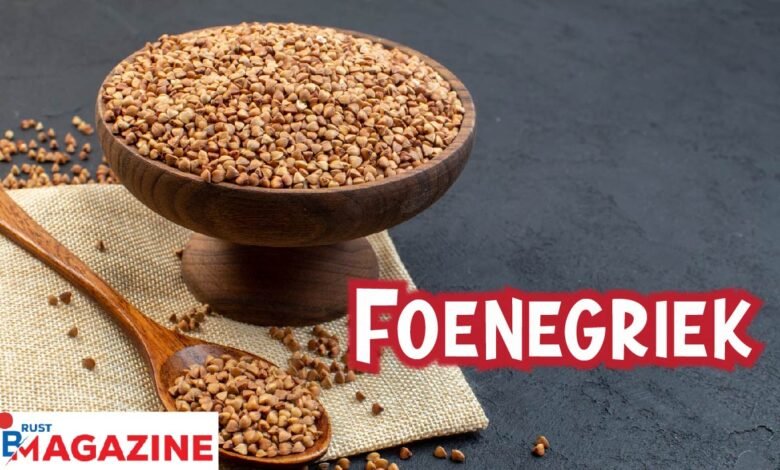
Foenegriek, known internationally as fenugreek, is a medicinal and culinary herb derived from Trigonella foenum-graecum. This annual plant belongs to the legume family and produces aromatic golden seeds and tender green leaves used worldwide. Foenegriek has served both as a kitchen spice and a therapeutic botanical for thousands of years. Today, it stands as one of the most researched herbs in metabolic and endocrine health. Because of its dense nutrient profile and active compounds, it continues attracting attention in modern wellness discussions.
What Is Foenegriek?
Foenegriek is the common Dutch name for Trigonella foenum-graecum, an annual herb in the Fabaceae family. The plant grows in Mediterranean, Middle Eastern, and South Asian regions. Both seeds and leaves serve culinary and medicinal roles. The seeds contain dense fiber, plant proteins, and bioactive compounds. Traditionally, cultures used Foenegriek to support digestion, strength, and recovery. Modern research examines its role in glucose regulation and hormonal balance. Because it integrates food and medicine, it occupies a unique place in functional nutrition.
Botanical Identity and Chemical Composition
Foenegriek belongs to the legume family Fabaceae. It grows as an annual herb reaching moderate height. The plant produces slender green pods containing angular yellow-brown seeds. These seeds hold concentrated nutrients and phytochemicals.
Key active compounds explain its physiological effects. Galactomannan, a soluble fiber, slows carbohydrate absorption. 4-hydroxyisoleucine influences insulin activity. Diosgenin, a steroidal saponin, supports endocrine pathways. Flavonoids provide antioxidant protection. Alkaloids such as trigonelline contribute metabolic support.
| Compound | Functional Role |
|---|---|
| Galactomannan | Slows glucose absorption |
| 4-hydroxyisoleucine | Supports insulin response |
| Diosgenin | Endocrine modulation |
| Flavonoids | Antioxidant activity |
| Trigonelline | Metabolic influence |
Nutritional Profile of Foenegriek
Foenegriek seeds deliver strong nutritional density per 100 grams. They contain approximately 25 grams of fiber and 23 grams of protein. Additionally, they supply iron, magnesium, vitamin B6, and manganese. This profile supports multiple physiological systems simultaneously.
| Nutrient | Approximate Amount per 100g |
|---|---|
| Fiber | 24–25g |
| Protein | 22–23g |
| Iron | 33mg |
| Magnesium | 190mg |
| Vitamin B6 | Moderate |
| Manganese | Significant |
Fiber supports digestive regularity. Protein provides amino acid availability. Iron supports oxygen transport. Magnesium contributes to metabolic stability. Therefore, Foenegriek functions as a nutritionally active botanical rather than a simple spice.
Blood Sugar and Metabolic Health
Soluble fiber slows gastric emptying. This delay moderates glucose absorption in the intestine. Consequently, post-meal glucose spikes reduce. Furthermore, 4-hydroxyisoleucine may stimulate insulin secretion in specific contexts. Research suggests improved insulin sensitivity when combined with balanced diet.
Several small clinical trials studied type 2 diabetes patients. Results indicated modest improvements in fasting glucose levels. However, professional medical care remains essential. Foenegriek may support healthy glucose regulation when combined with diet and medical care. It should never replace prescribed treatment.
Digestive Health and Gut Function
Foenegriek supplies prebiotic fiber that nourishes beneficial gut bacteria. This support enhances microbial diversity. Additionally, its mucilaginous texture soothes intestinal lining. Many traditional systems recommended soaked seeds for bloating relief. Fiber also promotes bowel regularity. Consequently, gut function improves when intake remains moderate.
Hormonal Health and Endocrine Effects
In women, Foenegriek traditionally supported lactation. Herbal teas often included it postpartum. Some evidence suggests mild galactagogue activity. Additionally, saponins may influence estrogen pathways. However, effects vary among individuals.
In men, researchers study testosterone modulation. Some supplement formulations include Foenegriek extracts for vitality support. Results remain mixed but promising. Balanced interpretation remains essential. Athletic supplement use continues increasing, though lifestyle factors remain primary drivers of hormonal health.
Cardiovascular Health and Cholesterol Regulation
Fiber binds bile acids in the intestine. This binding may reduce LDL absorption. Furthermore, antioxidant compounds support vascular resilience. When combined with Mediterranean dietary patterns, Foenegriek contributes to cardiovascular balance. Anti-inflammatory activity further enhances heart-supportive potential.
Skin, Hair, and Cosmetic Applications
Ground Foenegriek seeds appear in face masks for anti-inflammatory support. Antioxidants reduce oxidative stress in skin tissue. Additionally, paste applications on scalp support hair strength. Traditional beauty systems valued these properties for centuries. Modern natural skincare continues adopting this approach.
Traditional Medicine Systems and Historical Use
Ayurvedic medicine classified Foenegriek as warming and restorative. Egyptian texts recorded its medicinal application. Greek physicians referenced its digestive properties. Traditional Chinese medicine associated it with kidney and circulation support. Continuous global use reinforces its cross-cultural relevance.
How to Use Foenegriek
Whole seeds may be soaked overnight before consumption. Powder integrates easily into smoothies or cooking. Capsules provide standardized extracts. Herbal tea offers mild digestive support. Sprouted seeds enhance nutrient availability. Soaked seeds reduce bitterness and improve digestibility. Therefore, preparation method influences absorption.
Dosage Guidelines
Culinary use remains safe in moderate quantities. Supplemental doses commonly range between 500 mg and 2000 mg daily. Lactation support formulations may vary. Metabolic studies often use standardized extracts. Always consult a healthcare provider before beginning supplementation.
Side Effects and Safety Considerations
Digestive discomfort may occur at high doses. Individuals managing blood sugar should monitor glucose carefully. Pregnancy requires medical consultation. Medication interactions remain possible. Allergic reactions, though rare, can occur. Responsible use ensures benefit with minimal risk.
Foenegriek vs Other Herbal Metabolic Aids
| Herb | Blood Sugar | Hormones | Fiber Content |
|---|---|---|---|
| Foenegriek | Strong | Moderate | High |
| Cinnamon | Moderate | Low | Low |
| Berberine | Strong | Low | None |
Foenegriek uniquely combines fiber and endocrine support in one plant.
Growing Foenegriek at Home
The plant prefers warm climates and well-drained soil. Seeds germinate quickly. Leaves harvest within weeks. Sprouting requires simple soaking. Therefore, home cultivation remains accessible and sustainable.
Modern Research and Future Potential
The nutraceutical industry increasingly formulates Foenegriek extracts. Functional foods incorporate its fiber content. Metabolic syndrome research continues expanding. Endocrine studies explore hormonal modulation pathways. Therefore, scientific interest continues growing.
Conclusion
Foenegriek demonstrates exceptional botanical strength and nutritional density. Its fiber, saponins, and amino acids contribute to metabolic and endocrine support. Traditional systems validated its value centuries ago. Modern research continues investigating its potential. Responsible usage ensures safe integration into balanced lifestyles. Foenegriek represents one of the rare herbs that bridges ancient medicine and modern metabolic science.
Frequently Asked Questions
What is foenegriek good for?
Foenegriek supports digestive health, metabolic balance, and hormonal wellness. Its soluble fiber aids glucose regulation. Its saponins influence endocrine pathways. Additionally, it offers antioxidant protection.
Is foenegriek safe daily?
Moderate culinary use remains safe for most adults. Supplement use requires professional guidance. Individuals with blood sugar conditions should monitor carefully.
Can foenegriek lower blood sugar?
Research suggests potential support for glucose control. However, it complements rather than replaces medical treatment. Always consult a healthcare provider.
Does foenegriek increase milk supply?
Traditional use supports lactation. Some women report improvement. Clinical results vary. Professional supervision ensures safe use.
How long does foenegriek take to work?
Digestive effects may appear within days. Metabolic changes may require weeks. Individual response differs based on diet and health status.
Also Read :
Beit Bart: Meaning, History & Cultural Legacy
Visit For More Info : Brust Magazine