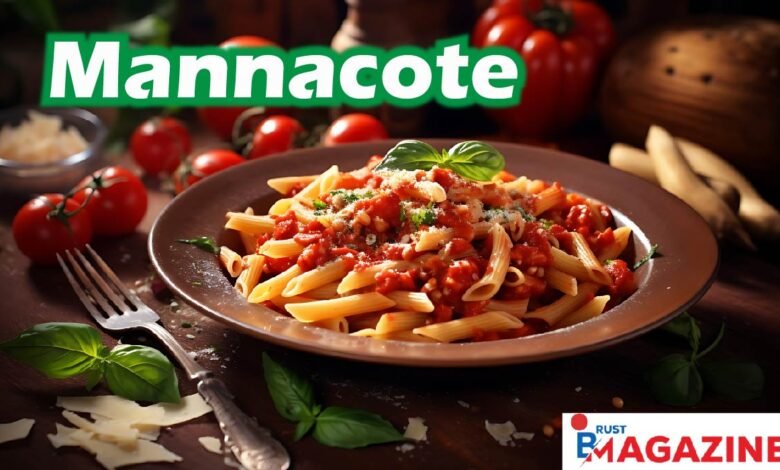
Mannacote is a baked stuffed pasta dish rooted in Italian-American culinary tradition, typically filled with ricotta cheese and layered with tomato sauce and mozzarella before baking. Many people confuse Mannacote with manicotti or cannelloni, yet important cultural and structural differences exist. While the core idea remains similar, Mannacote represents a family-driven variation shaped by dialect, immigration history, and home cooking practices. Therefore, understanding this dish requires both culinary and cultural context.
What Is Mannacote?
Mannacote is a baked stuffed pasta dish made from large pasta tubes filled with ricotta-based cheese mixtures and baked with tomato sauce and mozzarella. It belongs to pasta al forno, the Italian category of oven-baked pasta dishes. Structurally, it closely resembles manicotti and cannelloni. However, Mannacote functions primarily as an Italian-American linguistic and culinary variation. Families often preserve the name through spoken tradition rather than formal cookbooks. Consequently, the dish reflects generational adaptation rather than rigid culinary classification.
The Origins and Cultural History of Mannacote
Stuffed pasta traces back to Italian culinary traditions such as cannelloni. Italian cooks rolled pasta sheets around fillings and baked them in sauce. Pasta al forno developed as a celebration dish in southern regions. When Italian immigrants arrived in America, they adapted recipes using locally available ingredients. Ricotta became more accessible, and dried pasta tubes replaced fresh sheets. Regional pronunciation shifted, transforming manicotti into Mannacote within family dialects.
Over time, Mannacote became a heritage dish in Italian-American households. Families served it during Sunday dinners and holiday gatherings. Recipes passed down orally rather than through formal texts. Consequently, preparation methods varied slightly between households.
| Era | Development |
|---|---|
| 19th Century | Cannelloni in Italy |
| Early 1900s | Italian immigration to U.S. |
| Mid 1900s | Linguistic evolution to Mannacote |
| Modern Era | Structured indulgence trend |
Mannacote vs Manicotti vs Cannelloni
| Feature | Mannacote | Manicotti | Cannelloni |
|---|---|---|---|
| Origin | Italian-American | Italian-American | Italian |
| Pasta Type | Tubes | Tubes | Rolled sheets |
| Cultural Context | Family dialect | Common U.S. usage | Classical Italian |
| Filling Density | Often heavier | Moderate | Variable |
Although structural overlap exists, cultural identity distinguishes these dishes. Mannacote often features denser ricotta filling. Additionally, households layer sauce generously to enhance reheating quality.
Nutritional Breakdown of Mannacote
A standard serving provides balanced macronutrients.
Calories: 420–520 kcal
Protein: 22–28g
Carbohydrates: 38–45g
Fats: 18–24g
Ricotta supplies casein-dominant protein. Casein digests slowly, promoting prolonged satiety. Additionally, ricotta contains leucine, which supports muscle protein synthesis. Pasta delivers complex carbohydrates, providing sustained energy release. When protein exceeds 25 grams, glycemic response moderates effectively.
Micronutrients further enhance nutritional value. Calcium and phosphorus support bone health. Vitamin A contributes to cellular function. Tomato sauce contains lycopene, whose bioavailability increases with heat.
| Nutrient | Source | Benefit |
|---|---|---|
| Protein | Ricotta | Muscle support |
| Calcium | Cheese | Bone strength |
| Lycopene | Tomato | Antioxidant effect |
| Carbohydrates | Pasta | Energy supply |
Is Mannacote Healthy?
Health value depends on preparation variables. A health-supportive version uses part-skim ricotta and controlled mozzarella. Additionally, lower sodium tomato sauce reduces excess salt intake. Balanced layering prevents caloric overload. Conversely, heavy cheese layers increase fat density significantly. Restaurant portions often exceed recommended serving sizes.
Protein and carbohydrate synergy improves glycemic stability. When protein content remains high, blood sugar fluctuations decrease. Therefore, thoughtful preparation transforms Mannacote into a nutrient-supportive comfort meal.
Ingredient Functionality and Food Science
Pasta structure relies on starch gelatinization during boiling. This process stabilizes tube integrity. Heat retention during baking ensures even warming. Ricotta chemistry involves protein denaturation. Baking causes proteins to coagulate gently, forming a stable filling. Moisture retention prevents dryness.
Tomato sauce benefits from thermal processing. Heat increases lycopene availability. Mozzarella melt behavior depends on its fat-protein matrix. As temperature rises, fats liquefy and create stretch. Therefore, proper oven timing ensures optimal texture balance.
How to Make Traditional Mannacote
Begin by cooking pasta al dente. Firm texture prevents collapse during baking. Prepare ricotta filling with mozzarella, Parmesan, egg, and herbs. Whip ricotta lightly to improve aeration. Stuff tubes carefully using a piping bag for uniform density. Layer sauce beneath and above pasta. Bake covered initially to retain moisture. Then uncover to brown cheese lightly. Allow resting time before slicing. Resting stabilizes internal structure and improves serving consistency.
Popular Mannacote Variations
Modern kitchens experiment widely. High-protein versions add egg whites or lean meats. Spinach-ricotta blends increase fiber. Gluten-free pasta tubes support dietary restrictions. Plant-based versions substitute tofu-cashew blends. White sauce adaptations replace tomato with béchamel. Consequently, the dish evolves while preserving structure.
Portion Control and Dietary Fit
Mannacote aligns well with Mediterranean diets. Balanced portions support high-protein omnivorous plans. Active individuals use it post-training for recovery. Calorie cycling meal plans accommodate moderate servings. Satiety index improves due to protein density and baked structure.
Emotional and Cultural Significance
Comfort food psychology influences perception. Mannacote symbolizes family bonding. Shared preparation strengthens cultural continuity. Memory-driven satiety increases satisfaction levels. Behavioral nutrition research recognizes emotional associations as meaningful contributors to meal enjoyment.
Common Mistakes When Making Mannacote
Overcooking pasta causes structural weakness. Watery ricotta dilutes filling density. Excess sauce leads to sogginess. Skipping rest time prevents clean serving. Attention to these details ensures culinary precision.
Future of Mannacote in Modern Cuisine
Structured indulgence continues shaping culinary innovation. Protein-enhanced traditional dishes attract younger audiences. Functional comfort foods gain visibility. Cultural preservation strengthens identity-driven cuisine. Therefore, Mannacote remains relevant in contemporary kitchens.
Conclusion
Mannacote blends cultural heritage with modern nutrition awareness. It delivers complex carbohydrates and high-quality protein in one structured dish. Culinary adaptability allows endless variation. Emotional resonance enhances meal satisfaction. Thoughtful preparation aligns it with Mediterranean and high-protein dietary frameworks. Ultimately, Mannacote represents the perfect intersection of tradition, comfort, and modern nutritional awareness.
Frequently Asked Questions
Is Mannacote the same as manicotti?
They share structural similarities. However, Mannacote reflects Italian-American dialect tradition. Manicotti appears more frequently in commercial settings. Cultural context defines the difference more than structure.
How many calories are in Mannacote?
A standard serving contains 420–520 calories. Filling density and cheese quantity influence total count. Portion control plays a significant role in caloric impact.
Can Mannacote be frozen?
Yes, freezing works well before or after baking. Proper wrapping prevents freezer burn. Reheat gently to maintain texture integrity.
Is Mannacote healthy?
It can support balanced diets when prepared thoughtfully. Protein-rich filling enhances satiety. Controlled cheese layering prevents excess calories.
What cheese works best for Mannacote?
Ricotta forms the foundation. Mozzarella provides melt. Parmesan adds depth. Part-skim options improve nutritional balance.
Also Read :
Ceıvır: Meaning, Origin & Turkish Food Guide
Visit For More Info : Brust Magazine