Rain doesn’t wait for you to be on board. A quick afternoon storm can dump 50 gallons of water—over 400 pounds—into an unattended boat. Left unchecked, that kind of accumulation doesn’t just cause damage. It can sink a vessel entirely.
That’s the problem automatic bilge pumps for boats are built to solve. Whether your boat is moored at a dock, parked on a trailer, or sitting on a lift, a reliable bilge pump works quietly in the background—activating when water is detected and removing it before it becomes a problem. No manual bailing. No anxious check-ins during a rainstorm.
This guide breaks down how automatic bilge pumps work, what to look for when choosing one, and why modern solar-powered options are changing the game for recreational boaters.
What Is a Bilge Pump (and Why Does It Matter)?
The bilge is the lowest part of a boat—the area where water naturally collects. Rainwater, spray, condensation, and minor leaks all make their way down there. A bilge pump’s job is simple: remove that water before it causes damage.
Manual pumps work fine if you’re on board and paying attention. But boats spend most of their lives unattended. That’s where automatic bilge pumps earn their keep. They use built-in sensors to detect rising water levels and activate on their own—no switches, no timers, no human input required.
For dinghies, tenders, RIBs, Whalers, and smaller recreational boats, this kind of passive protection can be the difference between finding your boat floating and finding it submerged.
How Do Automatic Bilge Pumps Work?
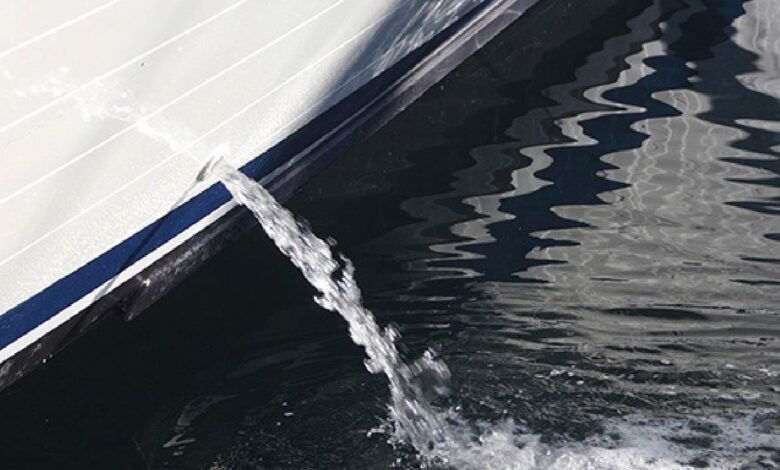
Most automatic bilge pumps rely on float switches or solid-state sensors to detect water. When the water level rises above a set threshold, the pump activates and expels the water through an outlet hose. Once the water drops below the sensor threshold, the pump shuts off automatically.
Traditional automatic pumps are wired directly into a boat’s 12V electrical system—which works well for larger vessels with onboard power. For smaller boats, dinghies, or boats stored out of the water, wiring a bilge pump can be impractical or simply impossible.
That’s where solar-powered solutions come in.
Solar-Powered Bilge Pumps: A Smarter Option for Smaller Boats
Solar bilge pumps take the core function of a traditional automatic pump and make it fully self-contained. Instead of drawing power from a boat’s battery or shore power, they run off a built-in solar panel with an internal rechargeable battery for overnight or cloudy-day operation.
The Raintaker™ from Raintaker Marine is a strong example of this category. It’s a solid-state, solar-rechargeable bilge protection system designed specifically for tenders, dinghies, RIBs, and Whalers. Key highlights include:
- No wiring or installation required — place it and it’s ready to work
- Smart sensors that activate automatically when water is detected, day or night
- Removes water down to ¼ inch (6mm) — unusually low detection threshold
- 316 stainless steel construction with UV-resistant silicone hose, suitable for fresh and saltwater
- Internal battery capable of removing up to 1,200 lbs (540kg) of water on a single charge
- Weighs just 5 lbs, making it portable and easy to reposition
For boaters who want reliable, automatic bilge pumps for boats without the complexity of a wired installation, this type of system removes virtually every barrier to entry.
Key Features to Look for in a Bilge Pump
Not all bilge pumps are created equal. Here’s what to evaluate before making a purchase:
Activation Method
Float switches are the most common trigger mechanism. Solid-state electronic sensors (like those used in the Raintaker™) tend to be more reliable because they have no moving parts to jam or corrode over time.
Power Source
Wired 12V systems are standard for larger boats with onboard electrical systems. For smaller or unmaintained vessels, a self-contained solar unit is far more practical—especially if the boat is stored seasonally or left unattended for long stretches.
Build Materials
Marine environments are harsh. Look for pumps made with corrosion-resistant materials like 316 stainless steel and UV-stabilized components. Anything less will degrade quickly in saltwater or direct sun exposure.
Flow Rate and Detection Depth
Higher flow rates (measured in gallons per hour) matter less if the pump can’t detect low water levels. A pump that activates at ¼ inch of water will catch problems far earlier than one requiring an inch or more.
Portability and Versatility
Some automatic bilge pumps for boats can also be used to remove standing water from boat covers, sealed deck areas, or topside compartments—making them more versatile than a fixed installation.
Common Use Cases for Automatic Bilge Pumps
Moored boats: Even well-maintained boats take on water during heavy rain. An automatic pump keeps a moored vessel clear without requiring someone to check on it.
Trailer-stored boats: Water pooling in a boat on a trailer can warp floorboards, promote mold, and add stress to the hull. A portable bilge pump handles this without needing a power hookup.
Tenders and dinghies: These smaller vessels are often left in the water without power systems, making wired pumps impractical. A solar-powered automatic pump is an ideal fit.
Boat covers: Water pooling on a cover can cause sagging, tearing, and eventual leakage. Some pumps, including the Raintaker™, are designed to remove water from covers as well as bilge areas.
How Much Water Can a Storm Really Leave Behind?
It’s easy to underestimate rainfall accumulation. Water weighs approximately 8.6 lbs per gallon. A moderate rainstorm can easily leave 50 gallons in an open boat—that’s over 430 lbs of added weight. Larger storms or extended periods of rain can push that number much higher.
For a small dinghy or tender, that kind of water accumulation can be catastrophic. For larger recreational boats, it creates real structural and safety risks. Automatic bilge pumps for boats don’t just protect your investment—they protect the vessel’s seaworthiness.
Installation and Maintenance
One of the appeals of modern automatic bilge pumps—particularly solar-powered models—is how little setup they require. Traditional wired bilge pumps need to be connected to a power source, secured in place, and periodically checked to ensure the float switch is functioning correctly.
Solar-powered systems like the Raintaker™ require no installation at all. Place the unit in the bilge or on a boat cover, and the onboard sensors and solar charging handle everything automatically. The unit can be left outside for months at a time without intervention.
For wired systems, maintenance typically involves:
- Checking and cleaning the float switch periodically
- Ensuring the outlet hose is clear of blockages
- Testing the pump manually before extended storage periods
Regardless of pump type, an occasional visual check is good practice—especially before storm season.
Frequently Asked Questions
How long do automatic bilge pumps last?
Quality matters here. Pumps built with marine-grade materials—stainless steel, UV-resistant components—can last many years with minimal maintenance. Products backed by a manufacturer’s warranty (such as the Raintaker™’s 2-year warranty) offer additional peace of mind.
Can I use a bilge pump on a kayak or small dinghy?
Yes. Compact, portable pumps are well-suited to small watercraft. The key is choosing a unit with low water detection capability and a lightweight profile.
Do solar bilge pumps work at night or on cloudy days?
They do, as long as the internal battery has sufficient charge. The Raintaker™, for example, uses its solar panel to keep the internal battery topped up, ensuring continuous operation even when sunlight isn’t available.
Is a bilge pump a substitute for fixing a leak?
No. A bilge pump manages water accumulation—it doesn’t address the underlying cause. If your boat is taking on water due to a leak, that should be inspected and repaired separately.
The Bottom Line: Don’t Leave Your Boat Unprotected
Boats are a significant investment. Protecting them while you’re not around doesn’t require complicated systems or expensive installations. The right automatic bilge pump handles water removal quietly and reliably, so you’re not returning to a flooded vessel after every rainstorm.
For smaller boats, tenders, and dinghies, a solar-powered system like the Raintaker™ offers a particularly compelling solution—self-contained, easy to deploy, and built to handle real marine conditions. For larger vessels with existing power systems, a traditional wired pump is a practical and proven choice.
Either way, the case for having automatic bilge pumps for boats is clear. Water accumulation is a manageable problem—but only if you have the right tools working while you’re away.