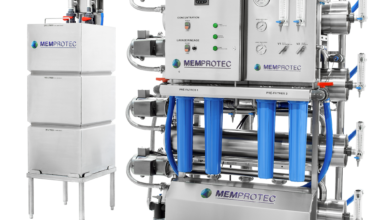
Before even thinking about talking to a financing company, it’s smart to get a really clear picture of what your business actually needs. This isn’t just about wanting a new piece of equipment; it’s about figuring out exactly what equipment will make the biggest difference and why. A solid understanding here sets the stage for finding the right financial help.
Clarify Equipment Requirements
What specific tools or machinery are you looking to acquire? Think about the type, the model, and the capabilities. Is this a standard piece of gear, or something specialized? Knowing the exact specifications helps you communicate your needs precisely. It’s about matching the right equipment to the right job. This clarity prevents you from overspending on features you don’t need or undershooting on capabilities that are vital for your operations. Understanding your equipment needs is the first step.
Assess Industry Nuances
Every industry has its own rhythm and challenges. Construction might deal with project-based work, while retail faces seasonal peaks. Does your industry have specific regulations or common practices that affect equipment use or financing? A good financing partner will get these industry nuances. They’ll understand that a trucking company’s needs differ greatly from a restaurant’s, even if both need financing. This knowledge helps them tailor solutions that actually fit.
Evaluate Business Seasonality
Many businesses aren’t steady year-round. There are often busy seasons and slower periods. How does this seasonality affect your cash flow? If your income dips significantly during certain months, a standard repayment plan might be tough to manage. You need a partner who recognizes this. They should be able to structure payments that align with your revenue cycles, making it easier to handle your financial obligations without undue stress. This is a key part of understanding your business needs.
Evaluate Financing Options and Structures
Compare Loan Versus Lease Agreements
When looking at equipment financing, businesses often face a choice between a loan and a lease. Each has its own set of pros and cons that can impact a company’s cash flow and ownership goals. A loan typically means you own the equipment outright from the start, but it usually requires a larger upfront payment and can tie up capital. This can be a good option if long-term ownership is the primary objective and the business has the capital readily available.
Leasing, on the other hand, often comes with lower initial costs and can be a great way to use newer equipment without the burden of ownership. However, at the end of the lease term, you won’t own the asset. The decision between a loan and a lease really depends on the business’s specific financial situation, how long they plan to use the equipment, and their overall strategy for asset management. Understanding these differences is key to making the right choice for your business needs.
It’s important to look at the total cost over the life of the agreement for both options. Sometimes, what seems cheaper upfront can end up costing more in the long run. A good financing partner will help explain these differences clearly, allowing you to compare loan versus lease agreements effectively. They should also be able to show you the total financing costs associated with each.
Explore Vendor Financing Benefits
Vendor financing can simplify the process of acquiring new equipment. Many equipment suppliers partner with financing companies to offer direct financing options to their customers. This can be incredibly convenient because it often streamlines the entire purchase and financing process into a single transaction. You might be able to get everything done right there with the vendor, which saves time and reduces paperwork.
However, there are a few things to keep in mind. Vendor financing might limit your choices to the equipment that specific vendor offers. It’s also worth comparing the terms and interest rates offered by the vendor with those from independent financing companies. Sometimes, you can find better deals or more flexible terms elsewhere. The main benefit is the ease of use and speed, which can be a big plus for businesses needing equipment quickly.
When considering vendor financing, always ask for a full breakdown of all costs involved. This includes interest rates, fees, and any other charges. Make sure you understand the complete financial picture before signing anything. It’s about finding the most advantageous financing structure for your specific situation.
Assess Flexibility in Financing Structures
Flexibility in financing structures is a big deal for businesses. The market changes, and so do business needs. A financing partner who can adapt their structures to fit your company’s unique situation is a real asset. This means they can tailor loan terms, lease agreements, or other financing options to match your cash flow cycles and growth plans. It’s not a one-size-fits-all situation.
Look for partners who are willing to discuss customized repayment plans. Maybe your business has seasonal peaks and valleys; a flexible partner can structure payments to align with those cycles, making it easier to manage your finances. This adaptability helps avoid financial strain during slower periods and allows you to take advantage of opportunities when they arise. It’s about building a partnership that works with your business, not against it.
The ability to adjust financing terms when unexpected challenges or opportunities arise can be the difference between weathering a storm and sinking. True flexibility means the financing evolves with your business.
When evaluating financing options, consider how adaptable the partner is. Can they adjust payment schedules? Do they offer different types of financing beyond standard loans and leases? A partner that offers a range of financing structures and is willing to customize them shows they are invested in your long-term success. This flexibility is key to navigating the unpredictable business landscape.
Investigate the Partner’s Expertise
When looking for an equipment financing partner, it’s not just about the money. You need someone who gets your business. This means they should have a solid grasp of your industry and how your operations work.
Gauge Industry-Specific Knowledge
A good financing partner understands the ins and outs of your specific field. They know the equipment you use, the typical costs, and the market trends. This expertise helps them create financing plans that actually fit your business, not just a generic template. They can anticipate challenges unique to your industry, like regulatory changes or shifts in technology.
Understand Equipment Lifespan and Value
Your partner should know how long your equipment typically lasts and what its value is over time. This knowledge is key to structuring a loan or lease that makes sense financially. They should be able to advise on whether buying, leasing, or a different structure is best based on the equipment’s lifecycle and your usage patterns. This helps avoid situations where you’re paying for equipment long after it’s become outdated or inefficient.
Recognize Their Understanding of Your Operations
Beyond industry knowledge, a great partner understands your day-to-day business. How do you use the equipment? What are your peak seasons? What are your growth plans? A partner who understands your operations can offer more flexible terms and support your business goals. They can tailor repayment schedules to match your cash flow, which is a big help, especially if your business has busy and slow periods. This level of insight means they’re more than just a lender; they’re a strategic ally.
Examine the Partner’s Reputation and Reliability
When looking for an equipment financing partner, their reputation and reliability are key. It’s not just about the numbers; it’s about trust. A solid reputation means they’ve consistently met their obligations and treated clients fairly. This is vital because you’re entering a long-term relationship, and you need a partner you can count on.
Research Client Testimonials and Reviews
Start by looking at what other businesses say. Online reviews, testimonials, and industry ratings offer a glimpse into past client experiences. Pay attention to comments about how easy the process was, how fair the pricing felt, and how responsive the company was. A pattern of positive feedback is a good sign. It shows they’ve built a track record of success and client satisfaction.
Assess Transparency in Dealings
Transparency is non-negotiable. A reliable partner will be upfront about all terms, fees, and conditions. There should be no hidden charges or confusing language in the agreement. They should be willing to explain everything clearly and answer all your questions. A partner who hides details or uses vague wording is a red flag.
Verify Commitment to Client Success
Look for a partner who seems genuinely invested in your business’s success. Do they ask about your goals? Do they offer advice beyond just the financing itself? A commitment to client success means they’re not just looking for a quick transaction, but a lasting relationship. This kind of partner will be more likely to work with you through challenges and help you grow.
Choosing a financing partner is like picking a business ally. Their past actions and how they treat clients speak volumes about their future performance. Always do your homework.
| Factor | Assessment Method |
| Client Feedback | Online reviews, testimonials, industry ratings |
| Transparency | Clear terms, fee breakdowns, open communication |
| Long-Term View | Support for growth, relationship focus |
| Industry Standing | BBB rating, referrals, years in business |
Prioritize Speed and Responsiveness
When your business needs new equipment, time is often money. Delays in getting financing can mean missed opportunities or stalled projects. That’s why it’s smart to look for an equipment financing partner that moves quickly and keeps you informed.
Inquire About Application Approval Times
How long does it typically take for them to review and approve an application? A partner that has a streamlined process can get you the funds you need faster. Ask about their average approval timelines. This gives you a realistic expectation and helps you plan your equipment acquisition. Understanding their speed in this initial stage is a good indicator of their overall efficiency.
Determine Funding Disbursement Speed
Once approved, how quickly can you expect the funds to be available? Some financing partners can disburse funds within days, while others might take weeks. This speed is critical if you have a tight deadline for acquiring your equipment. A quick disbursement means you can get your new assets working for your business without unnecessary waiting.
Seek Partners Offering Local Representation
While many financing processes are online, having a local contact can make a big difference. A representative who understands your local market and can meet with you in person can simplify communication and problem-solving. This personal touch can speed up the process and build a stronger working relationship. Responsiveness often comes easier when there’s a local presence.
Consider Long-Term Partnership Potential
Identify Support for Business Growth
When looking for an equipment financing partner, think beyond just the immediate purchase. A good partner will be interested in your business’s future. They should show they can support your growth, not just facilitate a single transaction. This means looking for a company that understands your long-term goals and can adapt its financing solutions as your business expands. A partner invested in your success will be more likely to offer flexible terms or additional funding options when you need them most. This kind of support is key for sustained business development.
Explore Additional Financial Services
Some equipment financing partners do more than just provide loans or leases. They might also offer other financial services that could benefit your company down the line. Think about whether they provide working capital loans, lines of credit, or even advice on financial planning. Having a single, reliable partner for multiple financial needs can simplify your operations and strengthen your financial position. It’s worth asking potential partners about their full range of services and how they might align with your business’s evolving financial requirements.
Seek a Collaborative and Visionary Partner
Ultimately, the best equipment financing partners act more like collaborators than just vendors. They should be willing to work with you, understand your vision, and offer insights that help your business move forward. A visionary partner will anticipate industry changes and suggest financing strategies that keep you competitive. They should be proactive in communication and genuinely interested in building a lasting relationship. This collaborative approach ensures that your financing arrangements remain beneficial and supportive of your business’s long-term trajectory. Finding such a partner is about more than just getting equipment; it’s about securing a strategic ally for your business’s future.
Review Terms, Fees, and Repayment Flexibility

Understand the True Cost of Financing
When looking at equipment financing, it’s easy to get caught up in the advertised interest rate. But that’s just part of the story. You need to dig deeper to see the total cost. This means looking beyond the headline number and examining all the associated fees. Think application fees, origination fees, documentation fees, and even potential charges for things like early payoff. A partner who is upfront about all these costs, providing a clear breakdown, is a good sign. They should be willing to explain every line item so you know exactly what you’re signing up for. Transparency in all fees is non-negotiable.
Inquire About Customized Repayment Plans
Businesses don’t always have steady cash flow. Seasonality, project cycles, or unexpected dips can make consistent monthly payments a challenge. That’s why it’s important to ask about repayment flexibility. Can the financing partner adjust payment schedules to match your business’s revenue cycles? Some might offer options like lower payments during slower months or balloon payments at the end of a contract. Understanding these possibilities beforehand can save a lot of stress down the line. This kind of flexibility shows they’re invested in your success, not just the transaction.
Evaluate Options for Seasonal Businesses
For businesses with predictable peaks and valleys in their income, standard repayment terms can be a real hurdle. A good equipment financing partner will understand this. They should be able to structure a repayment plan that aligns with your seasonal cash flow. This might mean lower payments during your off-season and higher payments when revenue is strong. It’s about finding a partner who gets your industry’s nuances and is willing to work with you. Don’t settle for a one-size-fits-all approach if your business isn’t one-size-fits-all.
Always read the fine print. What seems straightforward on the surface can hide complexities. If something isn’t clear, ask for clarification or seek professional advice before signing. This applies to everything from interest rates to buyout clauses.
Wrapping It Up
So, finding the right company to help with equipment financing isn’t just about getting a loan or a lease. It’s about picking someone who really gets your business, knows your industry, and can offer terms that actually work with your cash flow. Look for a partner who’s upfront about everything, has a good track record, and seems like they want to stick around for the long haul. Getting this relationship right can make a big difference in how smoothly your business runs and how well it can grow. Don’t rush the decision; take the time to find a partner who fits.