What Is A Colonoscopy?
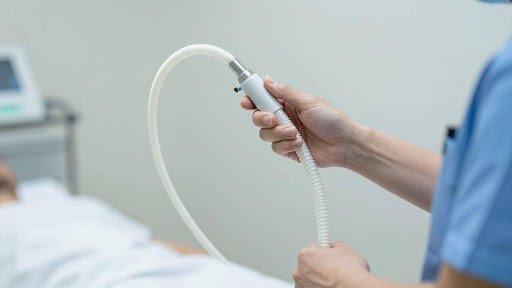
A colonoscopy is a medical procedure used to look inside the colon and rectum. It involves a doctor using a long, flexible tube with a camera attached, called a colonoscope. This scope is carefully guided through the rectum into the large intestine. The camera transmits images to a screen, allowing the medical team to get a clear view of the intestinal lining. This examination is quite thorough and can help spot issues that might not be visible otherwise.
During the process, patients are typically given a mild sedative to ensure comfort and minimize any potential discomfort. While it’s a medical procedure, most people report feeling little to no memory of the event afterward. The primary goal of a colonoscopy is to inspect the bowel for any abnormalities, such as inflammation, polyps, or other changes. It’s a key tool for maintaining digestive health.
The colonoscopy procedure itself is designed to be as non-invasive as possible. It allows for direct visualization of the entire large intestine. If polyps are found, they can often be removed during the same procedure, which is a significant step in preventing the development of bowel cancer. Biopsies can also be taken if needed for further analysis. This makes the colonoscopy a powerful diagnostic and preventative tool.
Preparing For Your Colonoscopy Procedure
The Importance Of Bowel Preparation
Getting ready for a colonoscopy is a big part of the process. The main goal here is to make sure the bowel is completely clean. A clean bowel allows the doctor to get a clear view of the lining, which is super important for spotting any issues. If the preparation isn’t done right, the procedure might have to be stopped and rescheduled. This means going through the whole process again later.
Think of bowel preparation as clearing the stage for a performance. The cleaner the colon, the better the view, and the more accurate the results. It’s not just about comfort; it’s about making sure the colonoscopy is effective. This preparation phase is key to a successful outcome.
Dietary Guidelines Before Your Colonoscopy
What you eat in the days leading up to your colonoscopy matters a lot. Generally, a low-fibre diet is recommended a few days prior. This means sticking to things like white bread, refined cereals, and clear juices. You’ll want to avoid foods with seeds, nuts, whole grains, and raw fruits or vegetables.
It’s also really important to avoid anything red or purple. These colours can look like blood in the colon, which could confuse the doctor during the examination. Stick to clear liquids for about 24 to 36 hours before the procedure. This includes things like clear broth, apple juice, and certain sports drinks. Staying hydrated is also a must, so drink plenty of water.
Timeline For Colonoscopy Preparation
Colonoscopy preparation usually starts about two weeks before the actual procedure. This is when you should get all the instructions and read them carefully. Around a week before, you’ll likely need to stop taking certain supplements like fish oil or multivitamins. This is also a good time to start thinking about what low-fibre foods you’ll need.
Two to three days before, you’ll switch to a low-fibre diet. Then, 24 to 36 hours before, it’s clear liquids only. On the day of the colonoscopy, you’ll continue with clear liquids until a few hours before the procedure. Following this timeline closely is vital for a good result.
What To Expect After Your Colonoscopy
Recovery Process Post-Procedure
After the colonoscopy, patients typically spend an hour or two in a recovery area. This is to allow the sedation to wear off. During this time, light food and drinks are usually offered. Some mild bloating might be felt for a short period. It’s important to remember that the sedation means driving or operating machinery on the same day is not advised. A friend or family member should plan to take the patient home and stay with them overnight.
Potential Risks And Side Effects
While colonoscopies are generally safe, like any medical procedure, there are potential risks. Serious complications are rare, occurring in less than one in 1,000 cases in Australia. These can include bleeding, which might require hospital readmission, or very rarely, an injury to the bowel lining. Reactions to anaesthetic are also uncommon. If any concerning symptoms arise after the procedure, contacting a doctor immediately is advised.
Resuming Normal Activities
Most individuals feel fully recovered by the day after their colonoscopy and can return to their usual routines. However, due to the lingering effects of sedation, it’s important to avoid driving, signing legal documents, or operating heavy machinery on the day of the procedure. The focus is on a gentle return to normal, with most people feeling back to their usual selves quite quickly after the colonoscopy.
Choosing A Colonoscopy Provider In Brisbane
Expertise Of Brisbane Gastroenterologists
When looking for a place to get a colonoscopy in Brisbane, the doctors’ experience really matters. You want someone who knows their way around the colon and can spot even small issues. A good gastroenterologist will have a solid track record and be up-to-date with the latest methods. Their skill directly impacts the thoroughness of the examination.
It’s worth checking if the clinic has a high adenoma detection rate (ADR). This is a measure of how well polyps are found. For example, one clinic in Brisbane reports an ADR of 58.3%, which is above the minimum standard. This kind of detail shows a commitment to quality care.
Don’t be afraid to ask about the qualifications and experience of the doctors performing your colonoscopy. This is your health, and finding a provider with proven expertise is a smart move. It gives you peace of mind knowing you’re in capable hands.
Convenience And Accessibility Of Services
Location and scheduling play a big part in making your colonoscopy experience smoother. Brisbane has many clinics, and finding one that’s easy to get to is important. Some providers have multiple locations or work with several hospitals across the city and even the Sunshine Coast, making it simpler to find a spot near you.
Consider the operating hours too. Some clinics offer procedures six days a week, which can be a lifesaver for people with busy schedules. Being able to book an appointment that fits your life reduces stress. Convenience shouldn’t be an afterthought. For patients seeking flexible access to specialist digestive care, Colonoscopy Brisbane provides services across Brisbane, Redland, and Logan, making it easier to find a convenient location that suits your schedule.
Think about the whole process, from booking to the actual procedure. A provider that makes it easy to get in touch, answer questions, and schedule your appointment is a big plus. This accessibility helps you get the care you need without unnecessary hassle.
Affordability And No-Gap Options
Cost is a significant factor for many when deciding on medical services. When it comes to colonoscopies in Brisbane, exploring options for affordability is wise. Some clinics focus on making procedures accessible, which can mean a big difference for your budget.
Look into whether the provider offers ‘no-gap’ options, especially if you have private health insurance. This means you won’t have any out-of-pocket expenses for the procedure itself. It’s a way to get quality care without the financial strain. This can make a huge difference in accessing timely screening.
It’s also helpful to understand what services are included. Some clinics cover a range of digestive health concerns, not just the colonoscopy itself. This can simplify your healthcare journey by having multiple specialists under one roof. Always ask for a clear breakdown of costs and what your insurance covers.
When To Consider A Colonoscopy
Recognizing Symptoms Requiring Investigation
Sometimes, your body sends signals that something isn’t quite right. Persistent changes in bowel habits, like a sudden onset of constipation or diarrhea that doesn’t resolve, can be a reason to look closer. Unexplained abdominal pain that lingers, or a noticeable and unintentional weight loss, are also symptoms that warrant medical attention. Bleeding from the anus, especially if it’s more than just a minor occurrence, should never be ignored. These signs can sometimes point to issues within the bowel that a colonoscopy can help identify.
Family History And Bowel Cancer Screening
Having a close relative, like a parent or sibling, who has had bowel cancer or polyps can increase your own risk. This genetic link means it’s wise to be more proactive about your bowel health. Regular screening, often starting at an earlier age than the general population, becomes important. A colonoscopy is a primary tool for this screening, allowing doctors to check for any early signs of trouble before symptoms even appear. It’s about staying ahead of potential problems.
Age Considerations For Screening
While symptoms can prompt a colonoscopy at any age, routine screening is generally recommended for individuals once they reach a certain age. The exact age can vary slightly based on guidelines and individual risk factors, but it’s typically around 45 or 50 years old. This age-based screening aims to catch bowel cancer in its earliest, most treatable stages. Don’t wait for symptoms if you’re in the recommended age group; proactive screening is key.
It’s important to remember that a colonoscopy is a diagnostic procedure that can detect a range of issues, not just cancer. It can help identify inflammation, ulcers, and other conditions affecting the bowel. If you’re experiencing any concerning symptoms or fall into a higher-risk category due to family history or age, discussing a colonoscopy with a healthcare provider in Brisbane is a sensible step towards maintaining your health.
Taking the Next Step for Your Health
Getting a colonoscopy in Brisbane is a straightforward process designed to help keep you healthy. While the preparation might seem a bit much, remember that it’s key for a clear view and an accurate result. Many clinics offer services across multiple hospitals and can schedule procedures quickly, sometimes within a week. Don’t hesitate to reach out to a provider if you have symptoms, a family history of bowel cancer, or are simply due for screening. Taking this step is a proactive way to manage your digestive health and can make a real difference.