For a long time, charging a phone was simple. You plugged a cable into a wall adapter, connected your phone, and waited. That setup still works, and it remains one of the fastest and most reliable ways to recharge a device. But the way people use their phones has changed, and charging habits are changing with it.
Today, a phone is no longer just used for calls and messages. It handles navigation, payments, work communication, video calls, photos, streaming, travel documents, and smart home controls. Because phones are used in more places and for longer hours, charging is no longer limited to a socket on the wall. People now expect charging to fit into their daily routines, not interrupt them.
This is why phone charging is moving beyond the traditional wall adapter. Speed still matters, but convenience, portability, desk organization, wireless placement, and multi-device support have become just as important.
Charging Is No Longer a One-Place Habit
In the past, many people charged their phones in one or two fixed places, such as next to the bed or near a living room outlet. Now, charging happens everywhere. A person may charge at a desk in the morning, in a car during lunch, at an airport in the afternoon, and beside the bed at night.
This shift has changed what users expect from a charger. A basic wall adapter may be enough for overnight charging, but it may not solve the problem of low battery during a busy day. People often need quick access to power while working, commuting, traveling, or moving between tasks.
That does not mean the wall adapter is outdated. It still plays an important role, especially for fast wired charging. But it is no longer the only charging solution people rely on. Modern charging is becoming more flexible because daily phone use has become more mobile.
Convenience Is Becoming as Important as Speed
Fast charging is useful when a phone battery is very low and time is limited. A wired charger can often bring a phone back to a usable level quickly. For many users, this is still the main reason to keep a traditional adapter and cable nearby.
However, speed is not always the most important factor. Many charging moments are short and casual. A user may place the phone down while working, cooking, reading, or getting ready to leave. In these cases, convenience can matter more than maximum wattage.
This is where wireless and magnetic charging have changed expectations. Instead of plugging and unplugging a cable several times a day, users can simply place the phone on a charging pad or magnetic stand. The phone remains visible, easy to pick up, and ready to use.
A Magnetic Phone Charger fits this type of routine well because it removes some of the friction from daily charging. It is not always the fastest option, but it can make frequent top-ups feel much easier.
Desk Setups Are Driving New Charging Habits
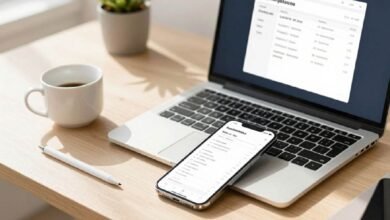
The modern desk is no longer just a place for a laptop. Many people also keep a phone, wireless earbuds, smartwatch, tablet, and sometimes a second screen or portable speaker nearby. With so many devices in one place, charging can quickly become messy.
A single wall adapter and cable may not be enough for this kind of setup. Users may need multiple ports, cable management, wireless stands, or a dedicated charging station. The goal is not only to charge devices, but also to keep the workspace clean and functional.
For phones, a stand-style wireless charger can be especially useful on a desk. It allows the screen to stay visible for notifications, calls, timers, and authentication prompts. Users can pick up the phone without pulling on a cable, then place it back down when they are done.
This kind of small convenience can change behavior. Instead of waiting until the battery is low, users naturally keep the phone topped up during the day. Charging becomes part of the workspace rather than a separate task.
Bedside Charging Is Also Changing
The nightstand is another place where charging habits are shifting. Traditionally, people plugged their phone into a cable before going to sleep. That still works, but it can create familiar problems: cables falling behind the bed, worn charging ports, or a cluttered bedside area.
Wireless and magnetic chargers offer a cleaner alternative. A phone can sit in the same place every night, making it easier to find in the dark and reducing cable handling. For people who also charge earbuds or a smartwatch overnight, a multi-device charging station can simplify the whole setup.
This is less about speed and more about routine. Most people do not need the fastest possible charging overnight. They need a reliable, organized place where devices can rest and recharge until morning.
A bedside charging setup also shows why the charger market is becoming more varied. People are not only asking, “How fast does it charge?” They are also asking, “Does it fit my space?”
Travel Requires More Flexible Charging
Travel is one of the biggest reasons charging has moved beyond the wall adapter. When people travel, they face different charging problems from those at home. Outlets may be limited. Hotel rooms may have awkward socket placement. Airports may be crowded. A traveler may need to charge multiple devices at once from a single outlet.
In this situation, flexibility matters. A compact multi-port charger can reduce the number of adapters in a bag. A wireless charger can make phone charging easier in a hotel room. A power bank can provide backup when there is no outlet nearby.
The right travel setup often combines several charging methods. A wired charger may be used for fast charging before leaving the hotel. A portable charger may be used while walking around. A wireless or magnetic option may be useful at a desk, nightstand, or airport lounge.
This is why modern charging is not about replacing one charger with another. It is about building a setup that works across different environments.
Multi-Device Charging Has Changed the Standard
Phones are often just one part of a larger device ecosystem. Many users now carry earbuds, smartwatches, tablets, e-readers, or laptops. A charger that only supports one device may feel limited, even if it works perfectly for a phone.
This has increased demand for chargers with more ports, higher output, and smarter power distribution. It has also made charging stations more appealing. A single organized station can support several devices and reduce the number of loose cables around a home or office.
For Apple users, magnetic and wireless charging can also make the device ecosystem feel more connected. A phone, earbuds, and watch can often be charged in one area without using separate adapters for everything.
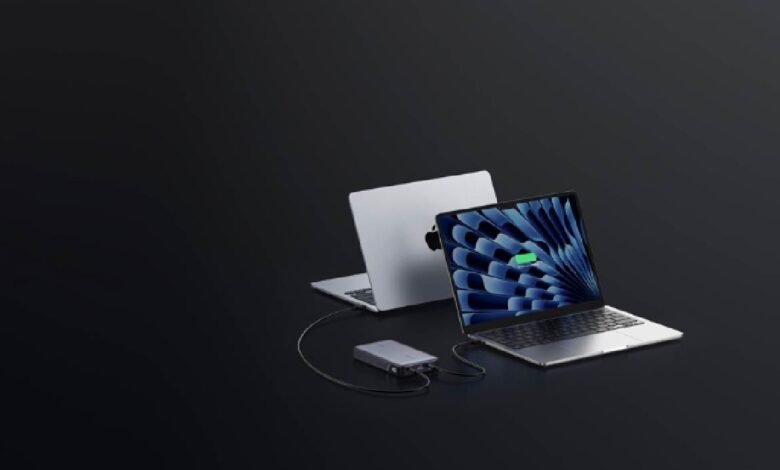
However, users still need to balance convenience with performance. Some devices need more power than wireless charging can provide. A laptop, for example, usually requires a stronger wired connection. This is why a smart charging setup often includes both wired and wireless options.
Wired Charging Still Matters
Even as charging habits change, wired charging is not going away. In many situations, it remains the best choice. It is usually faster, more efficient, and more stable than wireless charging. It is also better for larger devices and urgent charging needs.
A traditional Phone Charger is still useful when battery level is very low, when fast charging is needed, or when wireless charging is not practical. It is also more universal, especially for households with different phone brands and device types.
The main change is that wired charging is no longer the only standard. It is now one part of a broader charging routine. Users may rely on wired charging for speed, magnetic charging for convenience, and portable charging for travel or emergencies.
This mix is more realistic than expecting one charger to solve every problem.
How to Choose a Better Charging Setup
Choosing the right charging setup starts with understanding your routine. If you mostly charge overnight and rarely run out of battery, a simple adapter and cable may be enough. If you work at a desk all day, a stand or charging station may make more sense. If you travel often, portability and multi-device support may matter more.
It is also worth thinking about where charging feels inconvenient. Do cables clutter your desk? Does your phone battery drop during the commute? Do you forget to charge earbuds or a watch? Do you need faster charging before leaving home?
The best setup should solve those real problems. For some users, that means keeping a reliable Phone Charger for fast charging. For others, it means adding a Magnetic Phone Charger to make daily top-ups easier and cleaner.
Final Thoughts
Phone charging is moving beyond the wall adapter because phone use has moved beyond one place. People now need charging at home, at work, in cars, in airports, in hotels, and throughout long days away from outlets.
The wall adapter still matters, but it is no longer the whole solution. Modern charging is about combining speed, convenience, portability, and organization. A wired charger may be best for fast power. A wireless or magnetic charger may be better for daily placement. A charging station may work best for multiple devices.
The smartest choice is not always the newest charger or the fastest one. It is the charging setup that fits naturally into how people actually use their phones every day.